The oral Wegovy pill has recently attracted significant attention following its overseas launch, particularly in the United States, where it has been evaluated for chronic weight management. As awareness of GLP-1–based weight loss treatments continues to grow, many individuals in Singapore are now searching for information about this once-daily, needle-free oral option.
At present, however, the oral Wegovy pill is not yet available in Singapore, as local regulatory approval and supply pathways have not been finalised. This has led to increasing confusion between the oral Wegovy pill and other treatments such as oral semaglutide (Rybelsus), which is currently available locally under medical supervision.
https://botoxsingapore.sg/rybelsus-oral-semaglutide-singapore/
There is also growing interest in GLP-1–based weight management options that are already available in Singapore, including once-weekly injectable formulations such as Wegovy injections.
https://botoxsingapore.sg/wegovy-weight-loss-singapore/
This page provides a practical overview of what the oral Wegovy pill is, its current availability status in Singapore and how it differs conceptually from other oral and injectable GLP-1 treatments.
The oral Wegovy pill is a once-daily oral medication containing semaglutide, developed as a GLP-1–based treatment for chronic weight management. It is formulated as a tablet taken by mouth rather than an injection, offering a needle-free option within the same broader class of appetite-regulating medications.
This oral formulation has generated interest among individuals who are exploring medical weight loss options but prefer not to use injectable treatments.
The oral Wegovy pill belongs to a group of medications known as GLP-1 receptor agonists, which are used in medical settings to support appetite regulation and weight management. Semaglutide, the active ingredient, works within this class to influence hunger signals and food intake under medical supervision.
Unlike weekly injectable formulations, the oral version is designed for daily administration as a tablet.
One of the key distinctions of the oral Wegovy pill is its method of administration. Instead of a once-weekly injection, the medication is taken orally, which may be appealing to individuals who prefer tablet-based treatments or are uncomfortable with injections.
However, oral administration involves specific timing and absorption considerations that differ from injectable GLP-1 treatments and require adherence to prescribed instructions.
The oral Wegovy pill has been developed and evaluated for long-term weight management rather than short-term appetite suppression. It is intended to be used as part of a broader, medically supervised weight management approach that may include dietary guidance and lifestyle measures.
As with other prescription-based weight loss treatments, individual suitability and expected outcomes vary and should be assessed by a qualified healthcare professional.
At present, the oral Wegovy pill is not available in Singapore, as it has not yet received local regulatory approval. Although it has been launched overseas, including in the United States, availability in Singapore depends on regulatory review, approval processes, and supply arrangements that differ from those in other countries.
As a result, the oral Wegovy pill cannot currently be prescribed or dispensed locally, despite growing public interest and online discussion.
New medications are often introduced in selected countries before becoming available globally. An overseas launch, media coverage, or international approval does not automatically translate into availability in Singapore.
Local access depends on regulatory clearance, clinical guidelines, and distribution pathways specific to Singapore’s healthcare system.
Individuals searching for the oral Wegovy pill in Singapore may encounter online advertisements or websites claiming to offer access to the medication. Such claims should be approached with caution, as unapproved sources may involve safety, authenticity, and regulatory risks.
Prescription-based weight management treatments should only be considered under proper medical supervision and through approved healthcare channels.
Regulatory approval ensures that medications meet established standards for safety, quality, and appropriate use within the local population. Until approval is granted, oral Wegovy should be regarded as unavailable for routine clinical use in Singapore.
Patients are advised to rely on medically verified information and consult qualified healthcare professionals regarding currently available weight management options.
The oral Wegovy pill and Rybelsus are closely related but they are not the same medication and are not used interchangeably. Although both contain the same active ingredient, semaglutide, they are developed, approved, and prescribed for different clinical purposes.
Understanding this distinction is important, as confusion between the two treatments is common, particularly among individuals searching for oral weight loss medications.
Both the oral Wegovy pill and Rybelsus contain semaglutide, a GLP-1 receptor agonist used in medical practice to influence appetite regulation and metabolic pathways. However, the oral Wegovy pill has been developed and evaluated specifically for chronic weight management.
Rybelsus, on the other hand, is approved for the management of type 2 diabetes. While weight changes may occur in some individuals using Rybelsus, its primary clinical purpose is blood sugar control rather than weight loss.
Although the underlying medication is the same, oral semaglutide is studied and used at different dose ranges depending on the intended indication. For weight management, higher daily doses have been evaluated overseas to support sustained appetite control and weight reduction.
Rybelsus is approved at lower daily doses that are intended to support glycaemic control. As a result, the magnitude and consistency of weight-related effects may differ between the two treatments.
Despite sharing the same active ingredient, oral Wegovy and Rybelsus are regulated, prescribed, and monitored differently. Differences in approved use, dosing intent, and clinical evaluation mean that one should not be substituted for the other without medical guidance.
Any discussion about oral semaglutide use should take place under medical supervision, with clear understanding of approved indications and local regulatory status.
The oral Wegovy pill works by targeting the body’s natural appetite-regulation pathways through glucagon-like peptide-1 receptor activation. Its mechanism of action is based on semaglutide, a GLP-1 receptor agonist that influences hunger signals, satiety, and digestive processes involved in energy intake.
When taken consistently under medical supervision, oral semaglutide supports reduced calorie consumption and gradual weight loss by acting on both central and peripheral pathways involved in appetite control.
GLP-1 receptors are present in key areas of the brain involved in hunger and satiety regulation. After absorption, oral semaglutide activates these receptors, helping to reduce hunger signals and promote earlier feelings of fullness during meals.
This central appetite-regulating effect plays an important role in lowering overall calorie intake without relying on stimulant-based appetite suppression.
By enhancing satiety signalling, the oral Wegovy pill may help individuals feel satisfied with smaller portions. This effect supports more controlled eating patterns and reduces the tendency for overeating during meals.
Satiety-related benefits typically develop progressively as treatment continues, rather than occurring immediately after the first dose.
GLP-1 receptor activation also slows gastric emptying, meaning food remains in the stomach for a longer period after eating. This contributes to prolonged feelings of fullness between meals and may reduce snacking frequency.
The effect on gastric emptying is dose-dependent and is one of the reasons gradual dose escalation is commonly used to improve tolerability.
Unlike injectable GLP-1 treatments, oral semaglutide has low natural bioavailability when taken by mouth. The tablet formulation and strict timing requirements are designed to optimise absorption through the gastrointestinal tract.
Correct administration plays a key role in ensuring consistent exposure to the medication and achieving the appetite-regulating effects observed in clinical studies.
The oral Wegovy pill has been evaluated in large-scale phase 3 clinical trials investigating once-daily oral semaglutide for chronic weight management. These studies were designed to assess treatment efficacy, safety profile, and durability of weight reduction when oral semaglutide is used under medically supervised conditions alongside structured lifestyle intervention.
Clinical trial data provides an important evidence base for understanding expected weight loss magnitude, treatment duration, and long-term sustainability in adults with overweight or obesity without diabetes.
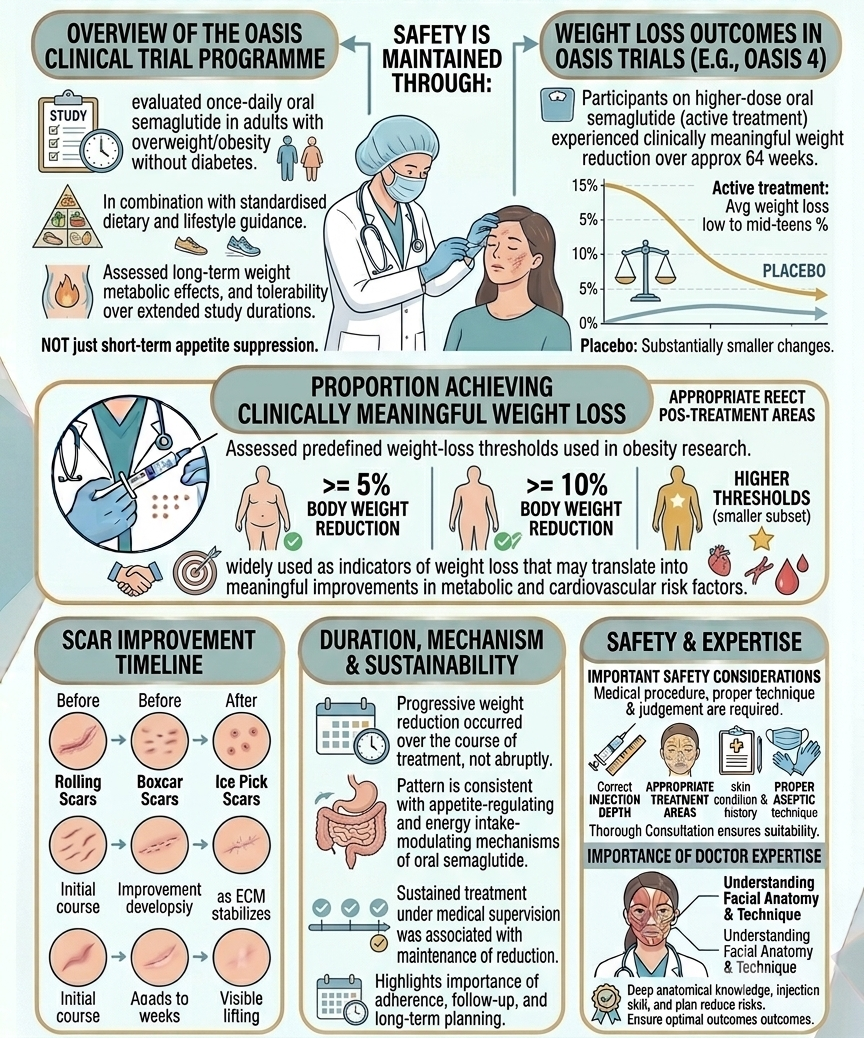
Oral semaglutide for weight management was studied as part of the OASIS phase 3 clinical development programme. This programme evaluated once-daily oral semaglutide in adults with overweight or obesity who did not have diabetes, in combination with standardised dietary and lifestyle guidance.
The OASIS trials were designed to assess long-term weight outcomes, metabolic effects, and treatment tolerability over extended study durations, rather than short-term appetite suppression alone.
In the OASIS 4 trial, participants receiving higher-dose once-daily oral semaglutide experienced clinically meaningful weight reduction over approximately 64 weeks of treatment. Average weight loss in the active treatment group reached the low to mid-teens as a percentage of baseline body weight, depending on the statistical analysis applied.
In contrast, participants receiving placebo experienced substantially smaller changes in body weight over the same study period, demonstrating a clear treatment effect of oral semaglutide under controlled clinical conditions.
Beyond average weight reduction, the OASIS trials assessed the proportion of participants achieving predefined weight-loss thresholds commonly used in obesity research. A substantial proportion of individuals treated with oral semaglutide achieved at least 5% and 10% body weight reduction, with a smaller subset reaching higher thresholds.
These benchmarks are widely used in clinical practice as indicators of weight loss that may translate into meaningful improvements in metabolic and cardiovascular risk factors.
Weight reduction observed in the OASIS programme occurred progressively over the course of treatment rather than abruptly in the early weeks. This pattern is consistent with the appetite-regulating and energy intake–modulating mechanisms of oral semaglutide.
Sustained treatment under medical supervision was associated with maintenance of weight reduction throughout the study period, highlighting the importance of adherence, follow-up, and long-term planning when using prescription-based weight management therapies.
Oral GLP-1–based weight management treatments have been studied in specific patient populations and are intended to be used under medical supervision. Suitability is determined by individual health status, weight-related risk factors, and the ability to adhere to treatment requirements rather than personal preference alone.
This section outlines the general profiles that have been evaluated in clinical studies and are commonly considered in medical practice.
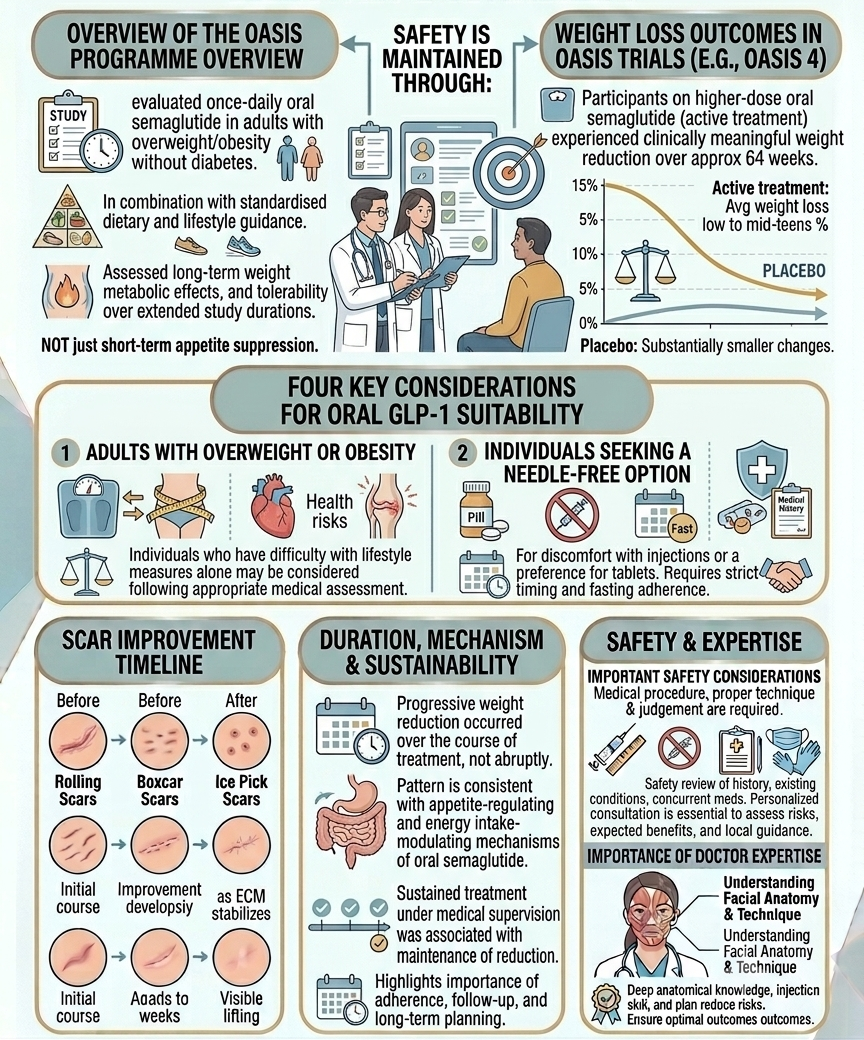
Oral GLP-1–based therapies have primarily been studied in adults with overweight or obesity, particularly where excess body weight contributes to health risks or affects overall wellbeing.
Individuals who have had difficulty achieving or maintaining weight reduction through lifestyle measures alone may be considered for prescription-based weight management following appropriate medical assessment.
Some individuals prefer oral medications due to discomfort with injections or a preference for tablet-based treatments. Oral GLP-1 formulations provide a needle-free alternative within the same medication class.
However, oral administration requires strict timing and fasting adherence, which should be discussed during consultation to ensure suitability.
Unlike weekly injectable GLP-1 treatments, oral formulations are taken once daily and require consistent administration conditions to optimise absorption.
Individuals who are able to maintain daily routines, follow fasting instructions, and attend regular follow-up appointments may be better suited to oral treatment approaches.
Not all individuals are suitable candidates for GLP-1 receptor agonist therapy. Medical history, existing conditions, and concurrent medications must be reviewed carefully to ensure safety.
A personalised medical consultation is essential to assess risks, expected benefits, and whether oral GLP-1–based treatment is appropriate under local regulatory guidance.
In addition to controlled clinical trials, real-world data provides insight into how oral semaglutide performs in routine medical practice. Real-world outcomes reflect everyday use, where patients vary in adherence, lifestyle factors, and clinical follow-up intensity.
Observational data suggests that oral semaglutide can support clinically meaningful weight reduction in real-world settings, although results are typically more variable than those reported in phase 3 trials.
In real-world use, individuals taking oral semaglutide under medical supervision have commonly reported weight loss in the range of approximately 5–10% of baseline body weight over 6 to 12 months of treatment.
Some individuals, particularly those able to tolerate higher doses and adhere closely to administration timing, may experience greater reductions, while others may see more modest changes depending on individual response and consistency.
Clinical trials such as OASIS are conducted under tightly controlled conditions, including structured lifestyle intervention, close monitoring, and strict adherence protocols. In everyday practice, variations in dosing consistency, meal timing, and follow-up frequency can influence outcomes.
As a result, real-world weight loss is often slightly lower than trial averages, though still clinically meaningful when treatment is used appropriately.
Because oral semaglutide has specific absorption requirements, real-world effectiveness depends heavily on correct administration. Taking the tablet on an empty stomach and delaying food intake afterward helps optimise absorption.
Patients who follow these instructions closely and attend regular medical follow-up tend to achieve more consistent appetite control and weight reduction.
Real-world observations are influenced by patient behaviour, tolerability, and individual metabolic differences. These outcomes should be viewed as general reference ranges rather than guaranteed results.
For this reason, real-world data is best interpreted alongside clinical trial evidence and personalised medical assessment.
One of the key differences between oral and injectable GLP-1 treatments lies in how the medication is absorbed. Unlike injections, which deliver semaglutide directly into the bloodstream, the oral Wegovy pill must pass through the gastrointestinal tract before reaching systemic circulation.
This unique absorption pathway explains why oral semaglutide has specific administration requirements and why its dosing strategy differs from injectable formulations.
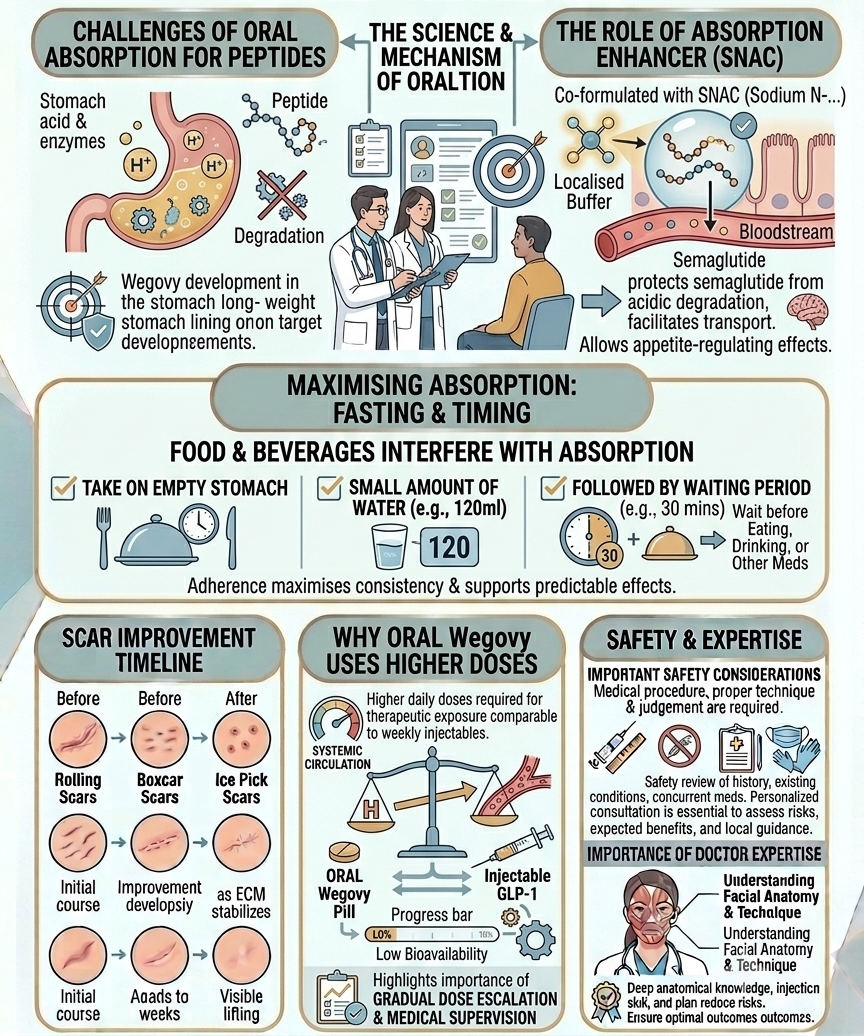
Semaglutide is a peptide-based medication. Peptides taken orally are normally broken down by stomach acid and digestive enzymes before they can be absorbed, which historically made oral delivery of GLP-1 therapies impractical.
The oral Wegovy pill was developed to overcome this challenge by enabling semaglutide to be absorbed through the stomach lining before significant degradation occurs.
Oral semaglutide is co-formulated with an absorption enhancer known as sodium N-(8-[2-hydroxybenzoyl] amino) caprylate, commonly referred to as SNAC. This compound plays a central role in enabling effective oral delivery of semaglutide.
SNAC works by creating a localised environment in the stomach that protects semaglutide from acidic degradation and facilitates its transport across the gastric mucosa into the bloodstream. This mechanism allows sufficient amounts of semaglutide to be absorbed to exert appetite-regulating effects.
Food and beverages can interfere with the absorption process by diluting the medication or altering gastric conditions. For this reason, the oral Wegovy pill is taken on an empty stomach, typically with a small amount of water, followed by a waiting period before eating, drinking, or taking other oral medications.
Adhering to these timing instructions helps maximise absorption consistency and supports more predictable treatment effects.
Even with the use of an absorption enhancer, only a small proportion of orally administered semaglutide enters systemic circulation. As a result, higher daily doses are required to achieve therapeutic exposure comparable to once-weekly injectable formulations.
This difference in bioavailability explains why oral Wegovy has been evaluated at higher milligram doses in clinical studies and highlights the importance of gradual dose escalation and medical supervision during treatment.
While oral GLP-1 treatments such as oral semaglutide can support meaningful weight reduction, some individuals may experience a slowing or plateau in weight loss over time. This does not necessarily indicate treatment failure and is a recognised phenomenon in medical weight management.
Understanding the common reasons behind weight loss plateaus helps set realistic expectations and supports appropriate adjustments under medical supervision.
Because oral semaglutide relies on precise administration conditions, even small deviations in timing, water volume, or fasting duration can reduce absorption. Inconsistent absorption may lead to reduced appetite control and slower weight loss progress.
Ensuring that the tablet is taken with minimal water and followed by an adequate fasting period before food or drinks is essential for maintaining treatment effectiveness.
As weight decreases, the body naturally adapts by adjusting energy expenditure and hunger signalling. This adaptive response can slow further weight loss despite continued treatment.
Such physiological changes are common across all forms of weight management and do not indicate that the medication has stopped working.
Some individuals may be unable to tolerate higher doses due to gastrointestinal side effects, which can limit the degree of appetite suppression achieved. Remaining at lower doses for extended periods may contribute to slower weight loss.
Dose adjustments should always be guided by medical assessment rather than self-directed changes.
Improved appetite control may still be offset by caloric compensation through energy-dense foods, liquid calories, or reduced physical activity. These factors can contribute to plateaus even when medication is taken correctly.
Ongoing lifestyle guidance plays an important role in supporting sustained weight reduction alongside pharmacological treatment.
When a plateau occurs, medical review allows clinicians to assess adherence, dosing, tolerability, and overall treatment strategy. Adjustments may include reinforcing administration technique, reviewing dietary patterns, or considering alternative approaches where appropriate.
Regular follow-up ensures that weight management remains safe, realistic, and aligned with individual health goals.

Unlike injectable GLP-1 treatments, the oral Wegovy pill has specific administration requirements that directly influence absorption and treatment effectiveness. These instructions are closely tied to how oral semaglutide is formulated and absorbed in the stomach.
Understanding and following these rules is essential for achieving consistent appetite regulation and predictable weight management outcomes.
Only a small fraction of orally administered semaglutide reaches systemic circulation, even when taken correctly. Small variations in timing, fluid intake, or stomach contents can significantly affect how much medication is absorbed.
Because of this limited bioavailability, strict adherence to administration instructions is necessary to maintain stable exposure over time.
The oral Wegovy pill is taken with only a very small amount of plain water, typically limited to one or two sips. Larger volumes of fluid may dilute the medication and interfere with the absorption process.
Using minimal water helps maintain the local stomach environment required for effective absorption of oral semaglutide.
After taking the oral Wegovy pill, a waiting period of at least 30 minutes is required before consuming anything else. This includes food, coffee, tea, supplements, and other oral medications.
This waiting period allows adequate time for semaglutide absorption to occur without interference from gastric contents or competing substances.
Injectable GLP-1 formulations bypass the gastrointestinal tract and deliver medication directly into the body, resulting in more predictable absorption and fewer timing constraints.
In contrast, oral semaglutide relies on precise stomach conditions for absorption, which is why administration timing and fasting requirements are more stringent.
Medical supervision helps ensure that administration instructions are clearly understood and followed correctly. Follow-up consultations allow clinicians to identify issues such as timing errors, inconsistent habits, or absorption-related variability.
Ongoing monitoring supports safer use, improved tolerability, and more consistent weight management results over time.
Oral and injectable GLP-1 receptor agonists belong to the same medication class but differ in how they are administered, absorbed, and used in clinical practice. Understanding these differences helps clarify why treatment protocols, dosing schedules, and patient suitability vary between oral and injectable options.
This section provides an educational overview of how oral and injectable GLP-1 treatments differ, without implying superiority of one approach over another.
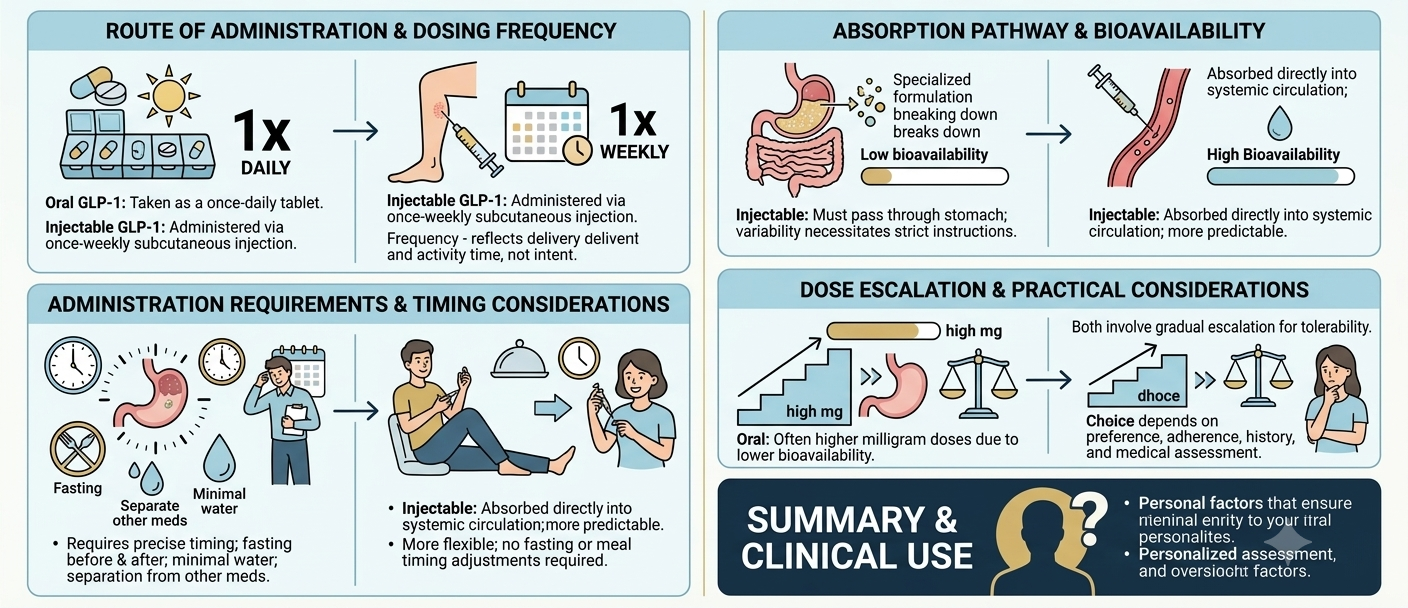
Oral GLP-1 treatments are taken as tablets, typically on a once-daily basis, while injectable GLP-1 formulations are administered via subcutaneous injection, most commonly on a once-weekly schedule.
Differences in dosing frequency reflect how the medication is delivered into the body and how long it remains active, rather than differences in treatment intent.
Injectable GLP-1 treatments bypass the gastrointestinal tract and are absorbed directly into systemic circulation, resulting in more predictable bioavailability.
Oral GLP-1 treatments must pass through the stomach and rely on specialised formulation strategies to enable absorption, which introduces greater variability and necessitates strict administration instructions.
Oral GLP-1 treatments require precise timing, including fasting before and after dosing, minimal water intake, and separation from other medications or beverages.
Injectable treatments do not require fasting or timing adjustments related to meals, making administration more flexible for some individuals.
Both oral and injectable GLP-1 therapies typically involve gradual dose escalation to improve tolerability. However, oral formulations often require higher milligram doses due to lower bioavailability.
Individual tolerability, gastrointestinal side effects, and response to dose escalation vary and influence which approach may be suitable under medical supervision.
Choice of oral or injectable GLP-1 treatment depends on multiple factors, including patient preference, ability to adhere to administration requirements, medical history, and regulatory availability.
A personalised medical assessment is essential to determine which treatment approach aligns best with individual needs and expectations.
Safety is an essential component of any prescription-based weight management treatment. The oral Wegovy pill, like other GLP-1 receptor agonists, has a defined safety profile that has been evaluated in clinical trials conducted for chronic weight management using once-daily oral semaglutide.
Understanding potential side effects, precautions, and the importance of medical supervision allows individuals to make informed decisions while minimising unnecessary risks during treatment.
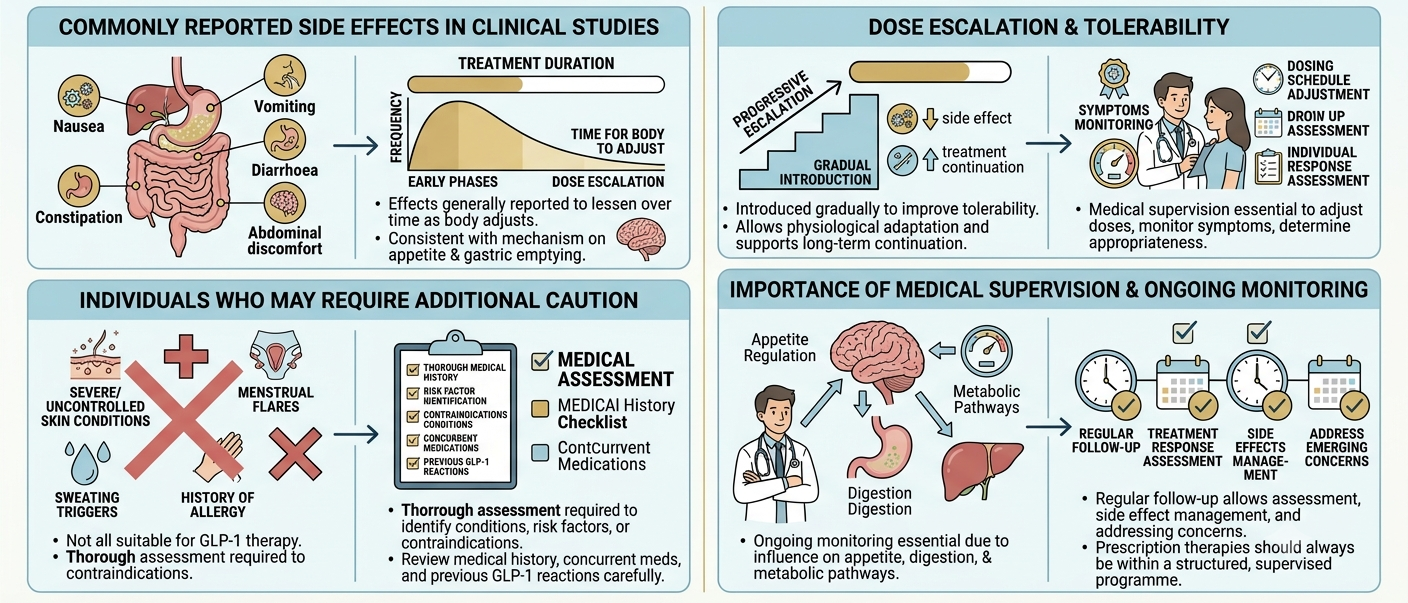
In clinical trials evaluating oral semaglutide for weight management, the most commonly reported side effects were gastrointestinal in nature. These included nausea, vomiting, diarrhoea, constipation, and abdominal discomfort, particularly during the early phases of treatment or during dose escalation.
Such effects are consistent with the medication’s mechanism of action on appetite regulation and gastric emptying and were generally reported to lessen over time as the body adjusted to treatment.
To improve tolerability and reduce the likelihood of side effects, oral semaglutide for weight management is typically introduced gradually rather than at full dose from the outset. Progressive dose escalation allows physiological adaptation and supports treatment continuation over the longer term.
Medical supervision plays an important role in adjusting dosing schedules, monitoring symptoms, and determining whether ongoing treatment remains appropriate based on individual response.
Not all individuals are suitable candidates for GLP-1 receptor agonist therapy. A thorough medical assessment is required to identify underlying conditions, risk factors, or contraindications that may affect safety.
Medical history, existing health conditions, concurrent medications, and previous reactions to GLP-1–based treatments should be reviewed carefully before considering oral semaglutide.
Because the oral Wegovy pill influences appetite regulation, digestion, and metabolic pathways, ongoing medical monitoring is essential throughout treatment. Regular follow-up allows healthcare professionals to assess treatment response, manage side effects, and address any emerging concerns.
Prescription weight management therapies should always be used within a structured, medically supervised programme to ensure safety, appropriate dosing, and responsible long-term management.
This section addresses common questions that individuals frequently search for when researching the oral Wegovy pill, particularly in relation to weight management, availability, and how it differs from other GLP-1 treatments. The information below is provided for educational purposes and should not replace personalised medical advice.
Is the Oral Wegovy Pill Approved in Singapore?
At present, the oral Wegovy pill is not approved for prescription use in Singapore. Although it has been launched or evaluated overseas, including in the United States, local availability depends on regulatory approval processes specific to Singapore.
Until official approval is granted, oral Wegovy cannot be prescribed or dispensed locally.
Can the Oral Wegovy Pill Be Purchased Online or Imported?
Individuals may encounter online platforms claiming to sell or ship oral Wegovy internationally. Such sources should be approached with caution, as medications obtained outside approved healthcare channels may carry risks related to authenticity, safety, and legality.
Prescription-based weight management treatments should only be considered under proper medical supervision and through authorised healthcare providers.
Is the Oral Wegovy Pill Stronger Than Injectable Wegovy?
Oral and injectable Wegovy formulations contain the same active ingredient, semaglutide, but differ in how they are absorbed and dosed. Injectable formulations bypass the gastrointestinal tract and generally have more predictable absorption, while oral formulations require higher daily doses due to lower bioavailability.
These differences do not imply that one form is inherently stronger than the other, as treatment choice depends on formulation, dosing strategy, and individual response under medical supervision.
Why Must the Oral Wegovy Pill Be Taken on an Empty Stomach?
Oral semaglutide has low natural absorption when taken by mouth. The tablet formulation and strict fasting requirements are designed to optimise absorption through the stomach lining.
Taking the oral Wegovy pill with minimal water and waiting at least 30 minutes before consuming food, drinks, or other medications helps maximise the amount of medication absorbed.
Is the Oral Wegovy Pill the Same as Rybelsus?
Although both oral Wegovy and Rybelsus contain semaglutide, they are developed and regulated for different clinical purposes. Rybelsus is approved for the management of type 2 diabetes, while oral Wegovy has been studied specifically for chronic weight management.
Differences in approved indications and dosing strategies mean the two treatments should not be considered interchangeable.
When Might the Oral Wegovy Pill Become Available in Singapore?
There is currently no confirmed timeline for the approval or launch of the oral Wegovy pill in Singapore. Regulatory review processes vary by country and depend on local evaluation of safety, efficacy, and clinical use.
Individuals are advised to rely on officially approved treatment options and consult healthcare professionals for guidance while monitoring future regulatory developments.
Interest in the oral Wegovy pill has increased following overseas launches and publication of clinical trial data. However, regulatory approval and availability vary by country, and overseas access does not equate to local approval for prescription use in Singapore.
Understanding the current regulatory status is essential for individuals researching oral Wegovy as part of a medically supervised weight management plan.
At present, oral Wegovy is not approved for prescription use in Singapore. Local availability depends on regulatory review, approval processes, and supply arrangements, which have not yet been finalised.
As a result, oral Wegovy cannot be prescribed locally until official regulatory clearance is granted. Individuals should be cautious of online sources or overseas vendors claiming availability in Singapore.
Although oral Wegovy has been launched or discussed in overseas markets, regulatory approval is determined independently by each country’s health authorities. Approval in one jurisdiction does not imply automatic availability elsewhere.
Singapore’s regulatory framework evaluates medications based on local standards for safety, efficacy, and clinical use before approval is granted.
While oral Wegovy is not available locally, oral semaglutide in other approved formulations may be accessible in Singapore for specific indications. These formulations are regulated and prescribed under defined clinical contexts and should not be assumed to be equivalent to oral Wegovy.
Any use of oral semaglutide should be guided by a qualified healthcare professional, with clear understanding of approved indications and regulatory boundaries.
For individuals interested in medical weight management, treatment decisions should be based on options that are currently approved and available locally, rather than overseas availability alone.
A medical consultation allows for discussion of evidence-based alternatives, suitability, and long-term planning while monitoring ongoing regulatory developments.

CagriSema is currently under clinical evaluation and has not yet been launched or approved for routine clinical use in Singapore. While interest in this emerging combination weight loss injection continues to grow, individuals exploring medically supervised weight management options locally may wish to be aware of prescription-based treatments that are already available.
At present, commonly discussed medical weight loss injections and medications in Singapore include:
These treatments act on appetite-regulating pathways and are prescribed under medical supervision based on individual suitability.
CagriSema is an emerging injectable medication being studied for weight loss and appetite control. It is designed as a once-weekly injection that combines two appetite-regulating components into a single formulation, with the aim of influencing hunger, satiety, and eating behaviour more comprehensively.
Specifically, CagriSema combines a glucagon-like peptide-1 (GLP-1) receptor agonist, semaglutide, with a long-acting amylin analogue. These two components act on different but complementary hormonal pathways involved in appetite regulation, which is why CagriSema is often described as a combination weight loss injection.
Unlike many existing weight loss injections that rely on GLP-1 activity alone, CagriSema integrates both GLP-1-based appetite suppression and amylin-mediated satiety signalling. This dual-pathway approach is a key reason CagriSema has attracted attention as a potential next-generation injectable treatment for weight management.
At present, CagriSema remains under clinical evaluation and is not yet available for routine use in Singapore. Information about CagriSema is therefore based on research developments rather than widespread real-world treatment experience.
CagriSema is being developed as a prescription-based, once-weekly subcutaneous injection intended for medical weight management. Like other modern injectable weight loss treatments, it is designed for ongoing use rather than short-term appetite suppression.
If and when it becomes clinically available, appropriate medical assessment would be required to determine suitability, as CagriSema is not intended for cosmetic or over-the-counter use.
CagriSema is considered a combination weight loss injection because it contains two active components that influence appetite regulation through different mechanisms. Semaglutide acts through the GLP-1 pathway, which plays a role in reducing hunger and enhancing feelings of fullness.
The second component, an amylin analogue, affects satiety signalling and meal-related appetite control through additional pathways involved in how full a person feels during and after eating. By combining GLP-1 and amylin pathway effects into a single injection, CagriSema is being studied for its potential to provide broader appetite regulation than single-agent injections.
CagriSema has generated interest because it reflects a shift in how injectable weight loss treatments are being developed. Rather than relying on a single appetite-regulating mechanism, CagriSema combines multiple hormonal pathways involved in hunger and satiety into one formulation. This combination-based approach has positioned it as a potential next step in the evolution of medical weight loss injections.
As awareness of GLP-1–based weight loss treatments has increased, attention has also expanded toward newer therapies that build upon these mechanisms. CagriSema is frequently discussed in this context because it integrates established GLP-1 activity with additional satiety signalling, which is why it is often described as a next-generation injectable under clinical evaluation.
In recent years, injectable weight loss treatments have become more widely recognised, both in medical practice and in public discussion. As understanding of how appetite-regulating hormones such as GLP-1 influence eating behaviour has grown, research has increasingly focused on whether combination approaches may offer more comprehensive appetite regulation.
CagriSema is commonly referenced in these discussions because it represents a combination strategy that reflects this broader research direction, rather than a completely new treatment category.
Current trends in medical weight management emphasise not only weight reduction, but also improved eating control, satiety, and long-term adherence. Newer injectable therapies are therefore being designed to influence multiple aspects of appetite regulation rather than short-term appetite suppression alone.
CagriSema fits into this evolving landscape by combining mechanisms that affect both hunger signalling and feelings of fullness. This alignment with broader treatment trends is one of the reasons CagriSema continues to attract attention, even while it remains under clinical evaluation and is not yet widely available.

CagriSema is often discussed in relation to other injectable weight loss treatments because it uses a combination formulation rather than relying on a single appetite-regulating pathway. Many established weight loss injections act through the glucagon-like peptide-1 (GLP-1) pathway alone, which plays a role in reducing hunger and increasing feelings of fullness.
CagriSema differs in that it combines a GLP-1 receptor agonist component, semaglutide, with a long-acting amylin analogue. These two components influence appetite regulation through distinct but complementary mechanisms, which is why CagriSema is frequently described as a combination weight loss injection under clinical evaluation.
Beyond biological mechanisms, differences between injectable weight loss treatments also relate to practical considerations such as dosing structure, tolerability, and how individuals respond over time. These factors contribute to why newer combination approaches continue to be explored in medical research.
Many currently available injectable weight loss treatments are based on GLP-1 receptor agonists, such as semaglutide, which act by slowing gastric emptying, enhancing satiety, and reducing appetite signals.
CagriSema builds upon this established GLP-1 approach by incorporating an amylin analogue. Amylin is a hormone involved in appetite regulation and satiety signalling, particularly in relation to meal size and feelings of fullness. By combining GLP-1 and amylin pathway effects into a single injection, CagriSema is being studied for its potential to provide broader appetite regulation than single-pathway injections.
Appetite regulation is influenced by multiple overlapping hormonal signals rather than a single pathway. GLP-1 and amylin affect different aspects of hunger, fullness, and eating behaviour, which has led researchers to explore whether combining these mechanisms may better reflect the complexity of appetite control.
CagriSema reflects this research direction by integrating semaglutide-based GLP-1 activity with amylin-mediated satiety signalling. This combination is one reason CagriSema is often referenced in discussions about the future development of injectable treatments for weight loss.
CagriSema is currently not available for routine clinical use in Singapore. It remains an investigational combination injectable medication that is still under clinical evaluation and has not yet received regulatory approval for prescribing locally.
Although CagriSema is increasingly discussed in relation to newer developments in injectable weight loss treatment, it is important to distinguish between therapies that are being studied in clinical research and those that are officially approved and accessible to patients in Singapore. Availability depends on regulatory review, safety evaluation, and alignment with local prescribing frameworks.
All prescription medications in Singapore must undergo a formal regulatory assessment process before they can be offered for clinical use. This process evaluates safety, effectiveness, appropriate indications, and safeguards for prescribing.
At present, CagriSema has not completed this regulatory process locally. As a result, it cannot be prescribed or dispensed in Singapore, and any discussion of its use remains informational rather than clinical.
Information about emerging weight loss injections such as CagriSema often appears online because clinical trial findings and research updates are shared internationally before regulatory approval is granted in specific countries.
Approval timelines can vary between regions due to differences in regulatory requirements and healthcare systems. As such, international discussions or media coverage about CagriSema do not indicate that it is currently accessible for treatment in Singapore.
While CagriSema remains under clinical evaluation and is not yet approved for use in Singapore, individuals exploring medical options for appetite control and weight management may wish to focus on treatments that are already available under prescription and medical supervision.
At present, established weight loss treatments in Singapore include injectable options such as Ozempic, Wegovy, and Mounjaro, as well as Rybelsus, an oral medication that acts on appetite-regulating pathways. These treatments differ in their mechanisms of action, dosing schedules, and suitability, and are prescribed based on individual medical assessment.
It is important to recognise the distinction between investigational therapies like CagriSema and approved prescription-based treatments. Understanding this difference helps manage expectations and supports informed decision-making while newer combination injections continue to progress through clinical research and regulatory evaluation.
As an emerging combination injectable therapy, CagriSema is still being evaluated in clinical research settings to better understand its safety profile, tolerability, and long-term effects. Like other prescription-based weight loss injections that act on appetite-regulating hormones, safety considerations form an important part of how CagriSema is studied and discussed.
Because CagriSema is not yet approved for routine clinical use in Singapore, available information is based on clinical trial data and ongoing research rather than widespread real-world prescribing experience. This makes careful interpretation of safety data essential.
Before any new injectable medication becomes available for clinical use, it undergoes multiple phases of clinical evaluation. These studies are designed to assess potential side effects, dosing tolerability, and how the medication affects different individuals over time.
For combination therapies such as CagriSema, safety evaluation also considers how the two active components interact within the body, particularly when influencing appetite, satiety, and gastrointestinal function. Findings from these studies help guide regulatory decisions and future prescribing frameworks.
Injectable weight loss treatments that act on appetite-regulating pathways are commonly associated with certain side effects, especially during early treatment phases or dose adjustments. Ongoing research into CagriSema continues to evaluate the type, frequency, and severity of side effects observed during clinical use.
Individual response to such treatments can vary based on factors such as baseline health, metabolic profile, and sensitivity to appetite-regulating hormones. This variability is an important focus of continued research.
Although CagriSema is still under investigation, its development highlights the broader principle that injectable weight loss therapies are intended for use under medical supervision. Clinical oversight allows for appropriate patient selection, monitoring of side effects, and adjustment of treatment strategies based on individual response.
As newer combination injections continue to be studied, medical supervision remains a key consideration in ensuring patient safety and responsible use once treatments become available.
Research into CagriSema is ongoing, with studies continuing to explore its safety profile, tolerability, and potential role within medical weight management. Results from these studies will inform whether and how CagriSema may eventually be integrated into clinical practice in different regions.
Until further regulatory decisions are made, information about CagriSema should be viewed as part of an evolving research landscape rather than established clinical guidance.
What Is CagriSema Used For?
CagriSema is being studied as an injectable medication for medical weight management in adults with overweight or obesity. It is designed to support appetite regulation and eating control through a combination of hormonal pathways and is not intended for cosmetic or unsupervised weight loss.
Is CagriSema a GLP-1 Weight Loss Injection?
CagriSema includes a glucagon-like peptide-1 (GLP-1) receptor agonist component, semaglutide, but it is not a single-agent GLP-1 injection. It also contains an amylin analogue, which acts on additional appetite-regulating pathways. This combination is what distinguishes CagriSema from GLP-1-only treatments.
How Is CagriSema Different From Ozempic or Wegovy?
CagriSema differs from GLP-1-only injections because it combines semaglutide with an amylin analogue. Ozempic and Wegovy act primarily through the GLP-1 pathway, whereas CagriSema is being studied as a combination therapy that influences appetite regulation through more than one mechanism.
CagriSema is still under clinical evaluation and is not currently available for routine use in Singapore.
Is CagriSema Available in Singapore?
No. CagriSema has not yet been launched or approved for routine clinical use in Singapore. Availability depends on regulatory approval and completion of clinical evaluation within the local healthcare framework.
Is CagriSema Safe?
The safety of CagriSema is being evaluated through ongoing clinical studies. As with other injectable weight loss treatments that act on appetite-regulating hormones, tolerability and side effects can vary between individuals. Medical oversight is essential for assessing safety if and when such treatments become available.
Who May Be Considered for CagriSema in the Future?
If approved in the future, CagriSema may be considered for adults with overweight or obesity as part of a medically supervised weight management programme. Suitability would depend on individual health factors, medical history, and response to other treatments.
Are There Alternatives While CagriSema Is Not Available?
Yes. Several prescription-based weight loss treatments are already available in Singapore under medical supervision. These include injectable options such as Ozempic, Wegovy, and Mounjaro, as well as Rybelsus, an oral medication. A medical consultation is required to determine suitability for these options.
Should I Wait for CagriSema or Consider Existing Treatments?
Whether to wait for emerging treatments or explore currently available options depends on individual health goals, medical profile, and preference. Understanding the differences between investigational therapies and approved prescription-based treatments can help guide informed decision-making.
Copyrights 2026 by Edwin Lim Medical Aesthetic Clinic Pte. Ltd.