
Dr Edwin Lim | MBBS, MRCS, PgDip, MSc, AAAM | Aesthetic Doctor
Oral acne medications are commonly prescribed when topical treatments alone are insufficient, particularly for moderate to severe acne, widespread breakouts, inflammatory acne, or acne that is causing scarring. Different oral medications target acne through different mechanisms, including reducing bacteria, decreasing inflammation, regulating hormones, or lowering oil production. The most appropriate treatment depends on acne severity, skin type, medical history, and treatment goals.
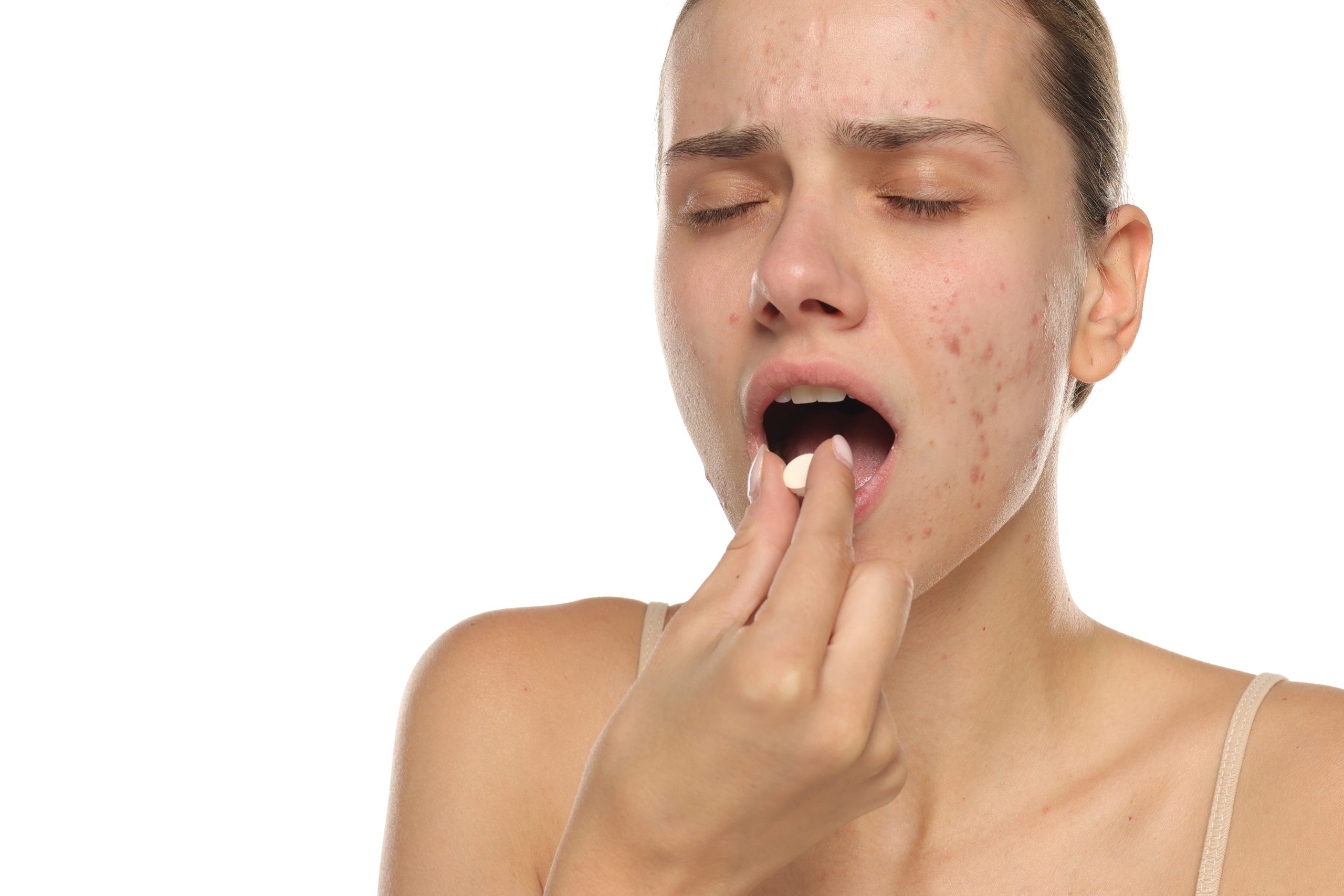
Oral prescription medications are especially effective for:
By targeting inflammation, bacteria, and hormonal factors, prescription oral acne medications can provide more consistent and longer-lasting results. For patients who have struggled with acne despite using topical therapies, starting oral treatment under medical supervision offers a safe and scientifically proven pathway to clearer skin.
At Edwin Lim Medical Aesthetic Clinic, every oral acne medication plan is customised following a comprehensive consultation, ensuring the highest standard of safety and efficacy for each patient.
For patients with persistent, moderate, or severe acne, oral medications are often the most effective treatment option. At our clinic, all oral acne therapies are prescribed and closely monitored by our doctor to ensure optimal safety and results.
The main categories of prescription oral acne medications include oral antibiotics, spironolactone for hormonal acne, and isotretinoin.
Oral antibiotics are a cornerstone in the treatment of moderate to severe inflammatory acne, especially when topical treatments alone are insufficient.
These medications work by reducing the levels of acne-causing bacteria (Cutibacterium acnes) within the skin and by decreasing inflammation, which in turn helps to clear existing breakouts and prevent new ones from forming.
Types of Oral Antibiotics Commonly Prescribed in Singapore:
A typical course ranges from 3 to 6 months. Some patients may experience mild side effects, such as stomach discomfort or photosensitivity, so it is important to take the medication with food and use sun protection.
How Long Are Oral Antibiotics Taken for Acne?
Oral antibiotics are typically prescribed for a finite period—usually a few weeks to several months—until active inflammation has significantly improved. The aim is to use the lowest effective dose for the shortest time possible to minimise the risk of developing antibiotic resistance.
Side Effects and Precautions:
Most patients tolerate oral antibiotics well, but possible side effects include mild stomach upset, diarrhoea, or increased sensitivity to sunlight (especially with doxycycline). It is essential to follow your doctor’s instructions regarding dosage, food interactions, and sun protection.
Combining Oral Antibiotics with Other Acne Treatments:
For enhanced effectiveness and to prevent antibiotic resistance, oral antibiotics are almost always used in combination with topical acne medications, such as retinoids or benzoyl peroxide. This multimodal approach allows for comprehensive acne control while reducing the overall duration of antibiotic use.
Regular Review and Follow-Up:
At our clinic, patients receiving oral antibiotics are reviewed regularly to assess progress, adjust treatment if necessary, and monitor for any potential side effects.
Spironolactone is an oral medication that specifically targets acne caused or worsened by hormonal imbalances, making it especially effective for women who experience persistent adult acne, jawline or lower face breakouts, or acne that flares with the menstrual cycle.
Spironolactone acts as an anti-androgen, blocking the effects of male hormones (androgens) that can trigger increased oil production in the skin. By reducing sebum (oil) production, spironolactone helps prevent clogged pores and reduces the frequency and severity of breakouts, particularly in areas such as the jawline, chin, and lower cheeks.
Spironolactone is suitable for adult women who:
This medication is not typically prescribed for men or for adolescent girls who have not reached puberty.
Improvements are usually noticeable after 2–3 months of consistent use. Dosing is personalised based on your medical history and acne severity.
Common side effects may include mild diuresis (increased urination), menstrual cycle changes, or breast tenderness, but most women tolerate the medication well. Regular blood pressure and electrolyte monitoring may be recommended to ensure ongoing safety.
At our clinic, we provide thorough evaluation and monitoring for every patient on spironolactone to ensure effective and safe results.
Oral isotretinoin—commonly known by the brand name Accutane—is considered the gold standard for treating severe, cystic, or treatment-resistant acne.
It is a vitamin A derivative (retinoid) that targets all major contributors to acne: excess oil production, abnormal skin cell turnover, inflammation, and bacterial growth.
Isotretinoin dramatically reduces the size and activity of oil glands, prevents clogged pores, and significantly decreases inflammation. This results in substantial and often long-lasting clearance of even the most severe acne cases.
A typical course of isotretinoin lasts at least 6–12 months, with dosing tailored to each patient’s weight and severity of acne. Most patients see major improvement within the first few months, and many experience long-term remission after completing therapy.
Monitoring and Safety During Isotretinoin Therapy:
Due to its potency, isotretinoin is only prescribed under close medical supervision. Patients undergo regular blood tests to monitor liver function, cholesterol, and other health parameters. Women of childbearing age require strict birth control measures during treatment due to the risk of birth defects.
Common Side Effects:
Temporary side effects can include dry lips, dry skin, and increased sun sensitivity. Rare side effects may include changes in mood, muscle aches, or laboratory abnormalities, all of which are closely monitored during follow-up visits.
Isotretinoin remains the most effective oral medication for achieving long-term, and sometimes permanent, acne clearance in suitable candidates. At our clinic, patients con

Choosing the right oral acne medication requires careful consideration of each patient’s unique skin condition, medical history, and lifestyle factors. At our clinic, every prescription begins with a comprehensive assessment by Dr Edwin Lim, ensuring that your acne treatment plan is both effective and safe.
Based on your initial consultation and any necessary laboratory tests, our doctor will recommend the most appropriate oral medication or combination therapy.
Throughout your treatment journey, regular reviews and monitoring ensure that your medication remains effective, side effects are minimised, and your skin continues to improve.
By following a doctor-guided, evidence-based approach, you can achieve clearer skin with reduced risk of complications and long-term side effects.
Your treatment journey begins with a comprehensive skin evaluation and a review of your medical history by our doctor. For certain medications, such as isotretinoin, baseline blood tests may be recommended to ensure suitability and safety.
Based on your individual needs, our doctor will prescribe the most appropriate oral acne medication and explain how to take it. You will receive detailed instructions regarding dosing, timing, potential interactions, and lifestyle considerations such as sun protection or dietary advice.
Most patients begin to notice improvement within 4 to 8 weeks of starting oral acne medication, though optimal results may require several months of consistent use. Adherence to the prescribed regimen is key for best outcomes and to prevent relapse.
Ongoing follow-up appointments are essential to monitor your skin’s progress, detect any side effects early, and adjust medication dosages if needed. For medications such as isotretinoin or spironolactone, periodic blood tests or health checks may be performed for added safety.
While oral acne medications are generally well tolerated, side effects such as mild gastrointestinal discomfort, dry skin, or headaches may occasionally occur. Our clinic provides ongoing support and guidance to address any side effects promptly and safely.
After your acne is controlled, our doctor will develop a maintenance plan tailored to your needs. This may include slowly reducing medication, transitioning to topical therapies, or introducing lifestyle strategies to keep your skin clear in the long term.
Oral acne medications are most appropriate for:
Who may not be suitable for oral acne medication?
Oral therapies are generally not recommended for:
At our clinic, your doctor will carefully review your acne severity, medical
Before treatment, the doctor will confirm the treatment areas, review the planned injection points and ensure that there are no contraindications. The skin is cleaned thoroughly before the injections are performed.
For facial treatments, patients may be asked to make certain facial expressions, such as raising the eyebrows, frowning or smiling. This allows the doctor to identify the active muscles more accurately before placing the injections.
Botulinum toxin is injected into selected muscles using a fine needle. Most patients describe the sensation as brief and tolerable, with only mild discomfort during the injection.
The number of injection points depends on the treatment area. Smaller areas such as frown lines or crow’s feet usually require fewer injection points, while larger muscle groups such as the masseter, trapezius or calf muscles may require more detailed placement and higher total dosage.
After treatment, there may be mild redness, small bumps, pin-point marks or slight tenderness at the injection sites. These usually settle within a short period.
Patients are usually able to return to normal daily activities after treatment. However, aftercare instructions should be followed carefully to reduce the risk of bruising, unnecessary pressure on the treated areas or unintended spread of the product.
For more detailed aftercare instructions, please refer to:
https://botoxsingapore.sg/botox-aftercare-guide-singapore/
While oral acne medications are highly effective for moderate to severe acne, they require careful prescription and ongoing monitoring to minimise potential risks and side effects. At our clinic, patient safety is always the top priority.
Every oral acne treatment plan is customised with strict safety protocols and regular follow-up to ensure you receive the benefits of therapy with minimal complications.
Common Risks and Side Effects:
Safety Precautions and Monitoring:
By following a doctor-led, evidence-based protocol, the risks of oral acne medication can be minimised, and the benefits maximised. Our clinic is commit
For many individuals, combining prescription oral acne medication with other doctor-recommended treatments provides faster, more complete, and longer-lasting results.
At our clinic, we take a holistic, personalised approach—often integrating oral therapies with advanced acne medical facials, proprietary medical-grade skincare, and the latest laser technologies.
Benefits of Combination Acne Therapy:
Examples of Our Doctor-Led Combination Treatments:
Ongoing Doctor Supervision:
At every stage, your combination acne treatment plan is supervised by our doctor to ensure safety, optimal progress, and timely adjustments as your skin responds. Regular follow-up appointments provide a chance to review your results and fine-tune your regimen for the best possible outcome.
By integrating oral medication with advanced acne facials, targeted laser treatments, and doctor-developed skincare, our clinic offers a comprehensive, results-driven approach for acne treat
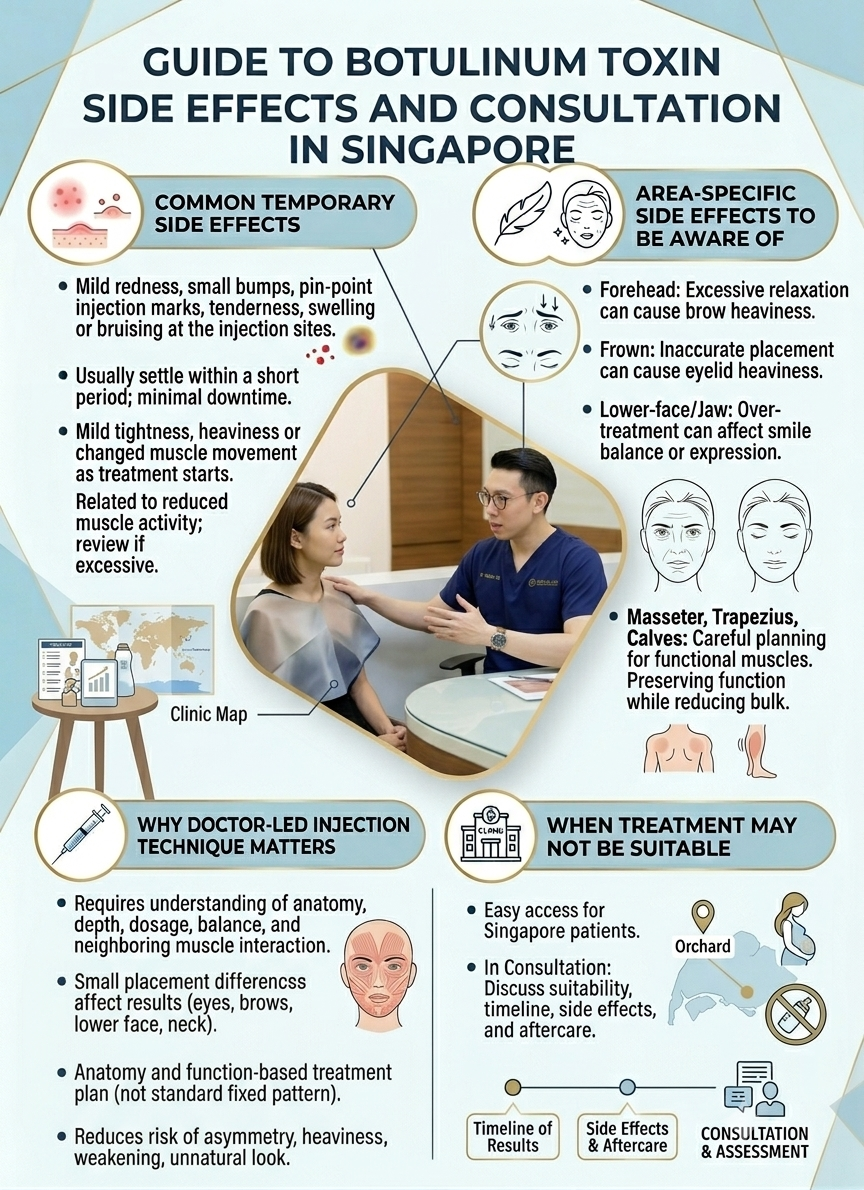
The cost of botulinum toxin treatment in Singapore varies depending on the treatment area, number of muscles treated, dosage required, complexity of the injection plan and whether the treatment is performed for facial lines, facial slimming, body contouring or excessive sweating. A doctor’s assessment is needed to determine the appropriate dose and treatment approach.
Different treatment areas require different levels of planning and product dosage. Smaller facial areas, such as frown lines or crow’s feet, usually involve fewer injection points compared with larger muscle areas such as the masseter, trapezius or calf muscles.
The cost may therefore differ depending on whether the treatment is for expression lines, jaw slimming, shoulder slimming, calf slimming or excessive underarm sweating.
Botulinum toxin treatment is commonly planned according to the number of units required for the target muscle. The required dosage depends on muscle size, muscle strength, treatment goals, previous treatment history and the desired degree of muscle relaxation.
For example, a patient with stronger masseter muscles may require a different dose compared with someone with milder muscle activity. Similarly, larger body muscles usually require a different dosage approach compared with smaller facial muscles.
For more information on dosage planning, please refer to:
https://botoxsingapore.sg/blog/how-much-botox-is-needed-guide-to-botox-dosage/
Larger muscles such as the masseter, trapezius and calf muscles generally require a higher total dosage than smaller facial muscles. This is because the treatment needs to reduce activity across a larger muscle area while maintaining safety and function.
The appropriate dose should be personalised rather than chosen based only on the treatment name. Careful assessment helps balance visible results, natural movement, safety and cost-effectiveness.
A consultation allows the doctor to assess the treatment area, muscle strength, facial or body anatomy, treatment goals and whether botulinum toxin is suitable. After assessment, the clinic can advise on the recommended treatment plan and estimated cost.
Patients should avoid choosing treatment based only on the lowest advertised price, as dosage, dilution, injector experience, assessment quality and aftercare can all affect the overall safety and outcome.
What Is the Most Effective Oral Medication for Acne?
The most effective oral medication for acne depends on the severity, type of acne, and individual patient factors. Common options prescribed by doctors in Singapore include oral antibiotics (such as doxycycline, minocycline, or azithromycin), spironolactone for hormonal acne in women, and oral isotretinoin for severe or cystic acne. A doctor will recommend the best option based on your skin’s needs and medical history.
How Long Do I Need to Take Oral Acne Medication?
Treatment duration varies depending on the chosen medication and the severity of your acne. Oral antibiotics are typically prescribed for 3 to 6 months, while spironolactone may be continued long term if well tolerated. Oral isotretinoin is usually prescribed as a single course lasting 4 to 8 months. Your doctor will monitor your progress and advise when it is appropriate to stop or adjust your medication.
Are Oral Acne Medications Safe?
When prescribed and monitored by an experienced doctor, oral acne medications are generally safe. However, all medications can have potential side effects, such as stomach upset with antibiotics, menstrual changes with spironolactone, or dryness and sun sensitivity with isotretinoin. Regular follow-up and laboratory monitoring help to ensure safety throughout your treatment.
Do I Need Blood Tests When Taking Oral Acne Medication?
Certain oral acne medications, especially isotretinoin and spironolactone, require periodic blood tests to monitor liver function, cholesterol, kidney function, and electrolytes. These safety checks are a standard part of doctor-led acne care in Singapore and help to identify any rare complications early.
Can I Combine Oral Acne Medication With Other Treatments?
Yes. In many cases, combining oral acne medication with professional skincare, medical facials, or acne laser treatments leads to faster and more complete results. Our clinic offers integrated combination therapy to maximise effectiveness and maintain skin health.
Is Oral Acne Medication Suitable for Teenagers?
Many oral acne medications are suitable for teenagers, especially those with moderate to severe acne that does not respond to topical treatments. Some medications, such as spironolactone, are typically reserved for adult women. A consultation with our doctor will help determine the most appropriate and safe option for each patient.
Will My Acne Return After Stopping Oral Medication?
While many patients experience long-term improvement after a course of oral medication, acne can sometimes recur. Your doctor may recommend a maintenance plan, which could include transitioning to topical treatments, medical facials, or regular use of doctor-developed skincare to maintain clear skin and prevent relapse.
Do I Need a Doctor’s Prescription for Oral Acne Medication in Singapore?
Yes. All effective oral acne medications, including antibiotics, spironolactone, and isotretinoin, require a doctor’s prescription in Singapore. It is important to undergo a thorough medical assessment before starting any oral medication to ensure it is safe and appropriate for your skin type and health status.
How Soon Will I See Results With Oral Acne Medication?
Most patients begin to see improvements within 4 to 8 weeks after starting oral acne medication. The timeline varies based on the severity of acne, type of medication, and individual response. Maximum results are usually achieved after several months of consistent, doctor-supervised treatment.
How Do I Start Oral Acne Medication Treatment at Your Clinic?
To begin treatment, simply book a consultation with our clinic. During your visit, our doctor will assess your skin, discuss your goals, and recommend a personalised oral acne medication plan. Ongoing support and follow-up appointments are provided throughout your treatment journey for optimal safety and results.
Are There Any Dietary Restrictions While Taking Oral Acne Medication?
Most oral acne medications do not require major dietary restrictions, but some, such as doxycycline, are best taken with food to reduce stomach upset. Isotretinoin should be taken with a meal containing some fat for optimal absorption. It is also advisable to avoid excessive sun exposure and alcohol while on certain medications. Your doctor will provide detailed guidance based on your specific prescription.
Can Oral Acne Medication Help With Acne Scars?
Oral acne medications are effective in controlling active breakouts and reducing inflammation, which helps prevent new acne scars from forming. However, they do not treat existing acne scars. For scar improvement, your doctor may recommend combination therapy with medical facials, chemical peels, or laser treatments such as Pro Yellow acne laser.
What Should I Do If I Experience Side Effects From My Oral Acne Medication?
If you notice any side effects—such as stomach upset, headaches, mood changes, skin dryness, or rashes—contact our clinic promptly. Our doctor will assess the situation and may adjust your dosage, recommend supportive measures, or switch medications if necessary. Regular follow-up appointments are essential for early detection and management of side effects.
Can I Take Oral Acne Medication If I Am Planning to Get Pregnant?
Certain oral acne medications, especially isotretinoin, are strictly contraindicated during pregnancy due to the risk of birth defects. If you are planning to conceive, please inform your doctor before starting or continuing any oral acne medication. Our clinic will provide alternative acne management strategies and ensure your safety throughout the process.
How Is Hormonal Acne Treated With Oral Medication?
Hormonal acne, commonly seen in adult women and characterised by jawline, chin, or lower face breakouts, is often managed with oral medications such as spironolactone. This medication works by blocking androgen hormones that increase oil production and trigger acne. Your doctor will determine if hormonal therapy is suitable for your needs.
How Much Does Oral Acne Medication Cost in Singapore?
The cost of oral acne medication in Singapore varies based on the type of medication, treatment duration, and any required monitoring or blood tests. During your consultation, our clinic will provide a transparent breakdown of treatment fees, medication costs, and any follow-up appointments.
Can I Stop Oral Acne Medication Once My Skin Clears?
It is important not to discontinue oral acne medication abruptly, even if your skin looks clear. Stopping treatment too soon can lead to relapse. Your doctor will guide you on how to safely taper or stop your medication and recommend maintenance options to keep your skin clear in the long term.
Do Oral Acne Medications Interact With Other Medications or Supplements?
Some oral acne medications may interact with other prescription drugs, over-the-counter medications, or supplements. Be sure to inform your doctor of all products you are taking during your consultation. Our clinic will assess any potential interactions and recommend a safe, coordinated treatment plan.
Is Follow-Up Required After Completing Oral Acne Medication?
Yes, follow-up appointments are recommended even after completing a course of oral acne medication. This allows your doctor to monitor for relapse, manage any lingering side effects, and discuss long-term skin care strategies for maintaining results.
Can Men Take Spironolactone for Acne?
Spironolactone is primarily prescribed for women with hormonal acne. It is generally not recommended for men due to the risk of hormonal side effects such as breast enlargement or decreased libido. Alternative oral medications or topical treatments are available for male patients.
How Do I Know If I Need Oral Acne Medication?
If you have persistent, moderate, or severe acne that does not improve with topical products, or if you experience deep, painful cysts or frequent relapses, you may benefit from oral acne medication. A consultation with our doctor will provide a comprehensive evaluation and personalised treatment plan.
Read
https://botoxsingapore.sg/teenage-acne-treatment-in-singapore/

Copyrights 2026 by Edwin Lim Medical Aesthetic Clinic Pte. Ltd.


