
Ozempic is a prescription weekly semaglutide injection originally developed for type 2 diabetes management but widely used for weight management due to its powerful appetite-regulating effects. As a GLP-1 receptor agonist, Ozempic helps reduce hunger, increase fullness, and lower calorie intake, leading to meaningful weight loss when combined with healthy lifestyle changes.

Semaglutide is classified as a glucagon-like peptide-1 (GLP-1) receptor agonist. After each injection, it mimics the effects of the body’s own GLP-1 hormones, which are released after meals.
By activating GLP-1 receptors in the pancreas, semaglutide increases insulin secretion when blood sugar is elevated and decreases glucagon production, which reduces glucose output from the liver.
This combination helps lower and stabilize blood sugar, making semaglutide especially effective for people with type 2 diabetes. In addition, semaglutide delays stomach emptying, further supporting appetite regulation and post-meal blood sugar control.
Beyond its effects on blood sugar, semaglutide acts on brain regions that regulate hunger and satiety. This leads to reduced appetite, earlier feelings of fullness during meals, and lower overall calorie intake.
As a result, patients commonly experience both improved glycaemic control and gradual, sustained weight loss.
Weekly semaglutide injections are therefore valuable for those managing both diabetes and obesity, or for patients who require medical assistance to support healthy weight loss in addition to lifestyle changes.
There are distinct differences between standard-dose and high-dose semaglutide formulations. Standard-dose semaglutide, typically available in 0.25 mg, 0.5 mg, and 1 mg injections, is primarily indicated for diabetes management and is also used to support weight loss in some patients.
High-dose formulations, such as 1.7 mg and 2.4 mg per injection, are specifically marketed for weight management and follow a separate treatment protocol.
The choice of dose and treatment plan is made after careful assessment by your doctor, considering your individual health profile, weight loss goals, and the presence of any other medical conditions.

Weekly semaglutide injections are prescribed in Singapore for a range of clinical indications, primarily type 2 diabetes and, increasingly, for medically supervised weight management.
Eligibility for this therapy is determined through a careful assessment by Dr Edwin or our clinic’s doctors, based on national and international guidelines, as well as individual patient needs.
Patients who benefit most from weekly semaglutide therapy typically include adults with type 2 diabetes who require additional support for glycaemic control, as well as individuals who are overweight or obese and need medical assistance with weight loss.
Suitability is based on factors such as body mass index (BMI), presence of weight-related health conditions (such as hypertension, dyslipidemia, or fatty liver), and previous response to other weight loss or diabetes medications.
Weekly semaglutide injections are generally considered for patients with a BMI of 30 kg/m² or higher, or for those with a BMI of at least 27 kg/m² who also have a weight-related medical problem.
Individuals who have not achieved sufficient results with diet, exercise, and oral medications may be considered candidates for this injectable therapy. A thorough medical history and assessment of current medications are always performed to ensure safety and optimal outcomes.
Weekly semaglutide is started at a low dose, most commonly 0.25 mg once per week, to reduce the risk of gastrointestinal side effects such as nausea. After four weeks, the dose is increased to 0.5 mg per week.
Depending on treatment goals and tolerance, the dose may then be increased further to 1 mg per week. Your doctor will tailor the titration schedule to your individual needs and may recommend staying at a lower dose for longer if side effects occur.
This gradual approach improves tolerability and supports better long-term results for both blood sugar control and weight management.
All patients starting semaglutide injections undergo a comprehensive evaluation at our clinic, including medical history, physical examination, and laboratory investigations if needed.
Ongoing monitoring is a key part of therapy, with regular follow-up visits to track progress, address any side effects, and adjust the treatment plan as necessary.
Dr Edwin and our clinic team provide personalized support and education throughout the treatment journey, helping patients achieve safe and sustainable improvements in both diabetes management and weight loss.
Weekly semaglutide injections are a leading choice for doctor-supervised weight loss and diabetes management in Singapore. Extensive clinical research and real-world experience have established the effectiveness of this prescription GLP-1 therapy for supporting healthy, sustainable results.
Understanding the expected outcomes and the scientific evidence behind semaglutide will help you make informed decisions and set realistic goals for your health journey.
Weekly semaglutide injections help most patients lose between 5% and 10% of their initial body weight within 6 to 12 months. The greatest success is achieved when the treatment is combined with healthy lifestyle changes, such as a balanced diet and regular exercise, alongside ongoing medical supervision.
For individuals with type 2 diabetes, semaglutide therapy also leads to significant reductions in HbA1c and more stable daily blood glucose levels.
Key Expected Benefits:
Patients in Singapore searching for a modern alternative to older weight loss or diabetes medications often choose weekly GLP-1 therapy due to its dual effect on blood sugar regulation and appetite control.
For further details on all available GLP-1 options, read our complete guide to GLP-1 weight loss therapies in Singapore.
The effectiveness of weekly semaglutide injections is supported by robust international clinical trials. The SUSTAIN program investigated semaglutide in patients with type 2 diabetes, showing consistent improvements in blood sugar control and moderate, sustained weight loss.
The STEP program, while focused on higher-dose semaglutide, also highlights the substantial weight reduction and metabolic benefits that GLP-1 therapies offer. These findings have been published in leading medical journals and form the foundation for treatment guidelines.
Published clinical trial results:
Our doctors will help you interpret this evidence in the context of your personal medical history and recommend a treatment plan that matches your goals.
At our clinic in Singapore, patients receiving weekly semaglutide injections report steady improvements in both weight and metabolic health.
Most achieve a gradual, sustainable reduction in body weight and improved glycaemic control, with benefits maintained through regular follow-up, laboratory assessments, and personalised support from Dr Edwin and our clinical team. Treatment protocols in Singapore closely mirror those used in published international studies, ensuring safe and effective outcomes.
This prescription GLP-1 injection is available at licensed clinics in Singapore and is tailored for individuals who require more than lifestyle modifications alone. Ongoing supervision and review are essential for maximizing results and minimising risks throughout the course of therapy.

Choosing weekly semaglutide injection therapy at our clinic involves a thorough, doctor-supervised process to ensure safety and maximize treatment effectiveness.
Understanding the typical patient journey can help you feel more confident and prepared for each stage of your weight loss or diabetes management plan.

Understanding the safety profile, potential side effects, and medical contraindications of weekly semaglutide injections is crucial for anyone considering this therapy for weight loss or diabetes management in Singapore.
Ongoing doctor supervision helps minimize risks and ensures optimal outcomes throughout the course of treatment.
Most patients tolerate weekly semaglutide injections well, but some may experience mild to moderate side effects, especially during dose escalation.
The most common side effects include nausea, vomiting, diarrhea, constipation, abdominal pain, reduced appetite, and mild injection-site reactions such as redness or swelling. These symptoms typically lessen over time as your body adjusts to the medication.
Drinking sufficient water, eating smaller meals, and avoiding high-fat foods can help minimize discomfort. Our clinic provides guidance on managing mild side effects and when to seek additional support.
While serious side effects are uncommon, they can occur and require prompt medical attention. Rare but significant risks of weekly semaglutide injections include severe or persistent vomiting, symptoms of dehydration, severe abdominal pain (which may indicate pancreatitis), and signs of allergic reaction such as swelling or difficulty breathing.
Patients with a history of gallbladder disease, pancreatitis, or certain endocrine tumors require careful evaluation before starting semaglutide therapy. If you experience any severe or persistent symptoms, contact Dr Edwin or our clinic immediately, or seek urgent medical care.
Semaglutide injection therapy is not suitable for everyone. Individuals with a personal or family history of medullary thyroid carcinoma, multiple endocrine neoplasia syndrome type 2, active pancreatitis, or severe kidney or liver disease should avoid this medication.
Women who are pregnant, planning to conceive, or breastfeeding should not use semaglutide injections. During your initial consultation, Dr Edwin or our clinic team will review your full medical history and current medications to ensure that weekly semaglutide therapy is appropriate and safe for your situation.
Before treatment, the doctor will confirm the treatment areas, review the planned injection points and ensure that there are no contraindications. The skin is cleaned thoroughly before the injections are performed.
For facial treatments, patients may be asked to make certain facial expressions, such as raising the eyebrows, frowning or smiling. This allows the doctor to identify the active muscles more accurately before placing the injections.
Botulinum toxin is injected into selected muscles using a fine needle. Most patients describe the sensation as brief and tolerable, with only mild discomfort during the injection.
The number of injection points depends on the treatment area. Smaller areas such as frown lines or crow’s feet usually require fewer injection points, while larger muscle groups such as the masseter, trapezius or calf muscles may require more detailed placement and higher total dosage.
After treatment, there may be mild redness, small bumps, pin-point marks or slight tenderness at the injection sites. These usually settle within a short period.
Patients are usually able to return to normal daily activities after treatment. However, aftercare instructions should be followed carefully to reduce the risk of bruising, unnecessary pressure on the treated areas or unintended spread of the product.
For more detailed aftercare instructions, please refer to:
https://botoxsingapore.sg/botox-aftercare-guide-singapore/
With multiple GLP-1 receptor agonist therapies available, patients often want to know how weekly semaglutide injections compare to other options for weight loss and diabetes management. Understanding these differences can help you make informed choices and discuss appropriate strategies with your doctor.
Weekly semaglutide is administered once per week, providing greater convenience and potentially better adherence for many patients compared to daily GLP-1 injections, such as those containing liraglutide.
Both types of therapy act on appetite regulation and blood sugar control, but weekly semaglutide has been shown in clinical studies to achieve similar or greater weight loss and glycaemic improvements with fewer injections.
Standard-dose semaglutide injections (0.25 mg, 0.5 mg, and 1 mg per week) are most commonly prescribed for type 2 diabetes but are also used for weight management under medical supervision.
High-dose GLP-1 therapies, such as those containing 1.7 mg or 2.4 mg of semaglutide per injection, are specifically indicated and marketed for weight loss. The choice between standard- and high-dose therapy depends on individual patient needs, eligibility, and doctor assessment.
With multiple GLP-1 receptor agonist therapies available, patients often want to know how weekly semaglutide injections compare to other options for weight loss and diabetes management. Understanding these differences can help you make informed choices and discuss appropriate strategies with your doctor.
Weekly semaglutide is administered once per week, providing greater convenience and potentially better adherence for many patients compared to daily GLP-1 injections, such as those containing liraglutide.
Both types of therapy act on appetite regulation and blood sugar control, but weekly semaglutide has been shown in clinical studies to achieve similar or greater weight loss and glycaemic improvements with fewer injections.
Patients may sometimes need to switch between different GLP-1 therapies due to side effects, changes in treatment goals, or availability issues. Transitioning from a daily GLP-1 injection to a weekly semaglutide regimen can be considered under close medical supervision.
Dr Edwin and our clinic team will evaluate your medical history, current medications, and response to prior treatments before recommending any changes. Safe switching protocols are followed to minimize risk and ensure optimal results.
Besides GLP-1 therapies, other prescription medications for weight management in Singapore include centrally acting appetite suppressants, fat absorption blockers, and combination therapies.
Each medication has its own indications, mechanism of action, and side effect profile. Our clinic provides a thorough evaluation of all available options to help you select the most suitable weight loss strategy based on your medical needs and preferences.
Weekly semaglutide injection therapy achieves the most effective and sustainable results when combined with positive changes in diet, physical activity, and long-term behavioral strategies.
At our clinic in Singapore, we emphasize the importance of an integrated approach to weight loss and diabetes management, ensuring every patient receives individualized support for lasting health improvements.
A balanced, nutrient-rich diet is crucial for maximizing the benefits of weekly semaglutide injections. Patients are encouraged to focus on whole foods—such as lean proteins, vegetables, fruits, and whole grains—while minimizing highly processed and high-sugar items.
Portion control and mindful eating can further support appetite regulation, which is enhanced by GLP-1 therapy. Regular physical activity, such as brisk walking, strength training, or other forms of exercise, works synergistically with semaglutide to increase calorie expenditure, preserve muscle mass, and support metabolic health.
Our clinic provides personalized guidance on both nutrition and exercise, tailored to your goals and lifestyle.
Sustained weight loss requires lasting changes in behavior. Patients using semaglutide benefit from developing new routines, managing stress, identifying triggers for overeating, and building a strong support network.
Techniques such as setting realistic goals, tracking progress, and celebrating non-scale victories help reinforce motivation and commitment.
At our clinic, every patient has access to ongoing medical supervision and expert support throughout their semaglutide journey. Dr Edwin and our team provide structured follow-up visits, practical resources, and encouragement to help you overcome challenges and achieve your long-term health objectives.
By combining weekly semaglutide injections with evidence-based lifestyle strategies, patients experience the best chance for safe, healthy, and sustainable results.

For facial expression lines such as forehead lines, frown lines and crow’s feet, results commonly last around three to four months. Some patients may notice that movement gradually returns earlier, while others may maintain a softer appearance for longer.
Duration can depend on the dosage used, strength of the treated muscles, facial expression habits, metabolism and previous treatment history.
Larger muscle treatments, such as masseter reduction, trapezius reduction and calf slimming, may have a different treatment timeline. While muscle activity may reduce within the first few weeks, visible contouring changes usually develop more gradually.
For these larger muscles, repeat sessions may be recommended depending on the muscle size, response to treatment and desired degree of contouring. The treatment plan should be reviewed individually rather than based on a fixed schedule.
Some patients may find that results wear off faster due to stronger muscle activity, higher baseline muscle bulk, frequent use of the treated muscles, faster metabolism or a conservative starting dose.
For example, patients who clench their jaw frequently may notice earlier return of masseter muscle activity. Patients with very strong frown or forehead muscles may also require careful dose adjustment during future sessions.
The ideal treatment interval depends on the area treated, response to treatment and personal goals. Facial wrinkle-relaxing treatments are commonly repeated when muscle movement has gradually returned and lines become more visible again.
For larger muscle or sweating-related treatments, the repeat interval may differ. A doctor’s review helps determine whether maintenance treatment is appropriate and whether the dosage or injection points should be adjusted.
If your teenager has persistent pimples, inflamed acne, painful cystic acne, acne marks or early acne scars, a doctor-guided assessment can help determine the most suitable treatment approach.
At Edwin Lim Medical Aesthetic Clinic, Dr Edwin Lim provides teenage acne treatment in Singapore with treatment plans tailored according to the teenager’s acne severity, skin type, medical history and risk of scarring.
Early treatment may help control active acne, reduce inflammation and lower the risk of long-term acne scars. This is especially important if the acne is worsening despite skincare, affecting confidence or leaving visible marks after pimples settle.
Contact us to arrange a teenage acne treatment consultation with Dr Edwin Lim here:
https://botoxsingapore.sg/contact-us/
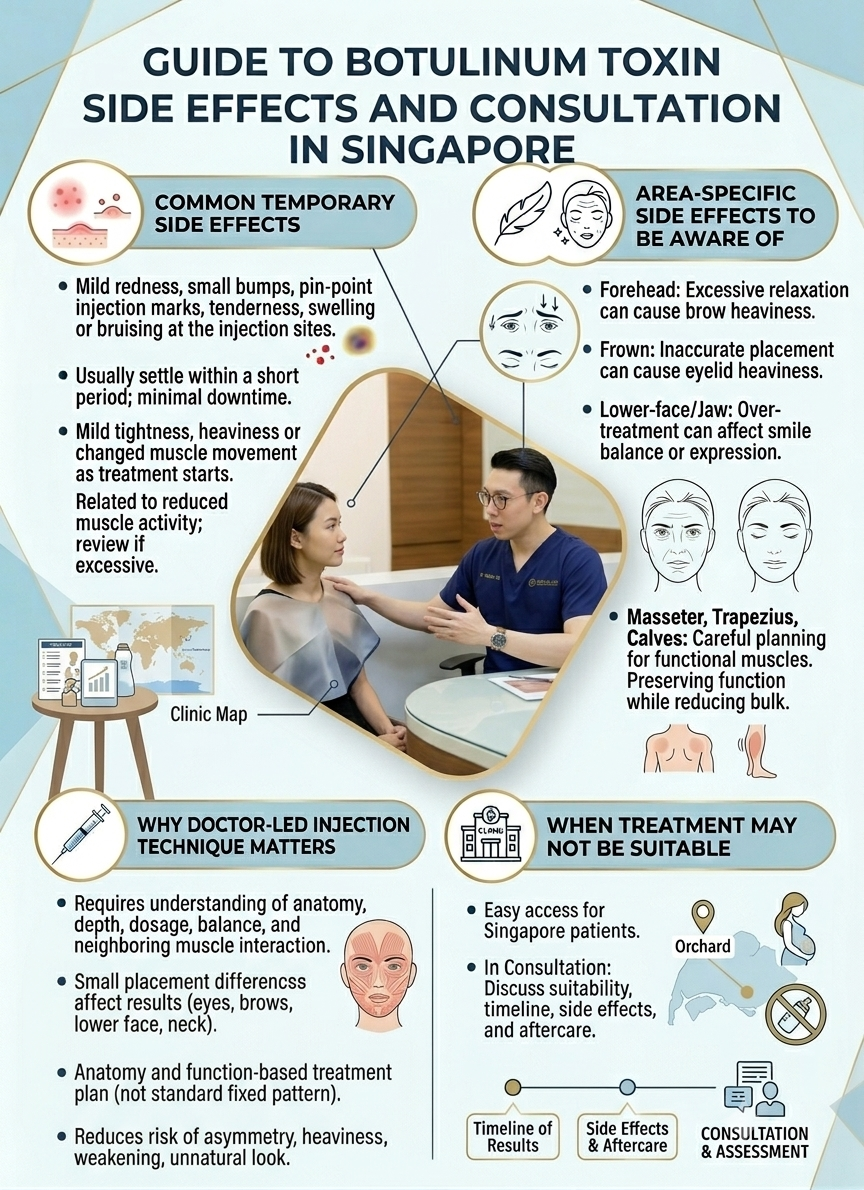
The cost of botulinum toxin treatment in Singapore varies depending on the treatment area, number of muscles treated, dosage required, complexity of the injection plan and whether the treatment is performed for facial lines, facial slimming, body contouring or excessive sweating. A doctor’s assessment is needed to determine the appropriate dose and treatment approach.
Different treatment areas require different levels of planning and product dosage. Smaller facial areas, such as frown lines or crow’s feet, usually involve fewer injection points compared with larger muscle areas such as the masseter, trapezius or calf muscles.
The cost may therefore differ depending on whether the treatment is for expression lines, jaw slimming, shoulder slimming, calf slimming or excessive underarm sweating.
Botulinum toxin treatment is commonly planned according to the number of units required for the target muscle. The required dosage depends on muscle size, muscle strength, treatment goals, previous treatment history and the desired degree of muscle relaxation.
For example, a patient with stronger masseter muscles may require a different dose compared with someone with milder muscle activity. Similarly, larger body muscles usually require a different dosage approach compared with smaller facial muscles.
For more information on dosage planning, please refer to:
https://botoxsingapore.sg/blog/how-much-botox-is-needed-guide-to-botox-dosage/
Larger muscles such as the masseter, trapezius and calf muscles generally require a higher total dosage than smaller facial muscles. This is because the treatment needs to reduce activity across a larger muscle area while maintaining safety and function.
The appropriate dose should be personalised rather than chosen based only on the treatment name. Careful assessment helps balance visible results, natural movement, safety and cost-effectiveness.
A consultation allows the doctor to assess the treatment area, muscle strength, facial or body anatomy, treatment goals and whether botulinum toxin is suitable. After assessment, the clinic can advise on the recommended treatment plan and estimated cost.
Patients should avoid choosing treatment based only on the lowest advertised price, as dosage, dilution, injector experience, assessment quality and aftercare can all affect the overall safety and outcome.
How Does Weekly Semaglutide Injection Therapy Support Weight Loss and Diabetes Management?
Weekly semaglutide injections—widely known internationally as Ozempic—help regulate blood sugar and reduce appetite by mimicking the body’s GLP-1 hormone. This results in improved glycaemic control for type 2 diabetes and gradual, clinically meaningful weight loss when combined with lifestyle changes. Ozempic is often chosen by patients seeking a once-weekly alternative to daily diabetes or weight loss injections.
Who Is Eligible for Weekly Semaglutide Therapy in Singapore?
Eligibility for weekly semaglutide (Ozempic) is typically based on your BMI, medical history, and current health needs. Adults with type 2 diabetes or those who are overweight or obese (BMI ≥30, or ≥27 with weight-related conditions) may be considered. Suitability is determined during a consultation with Dr Edwin or our clinic team.
What Is the Dosing Schedule for Weekly Semaglutide Injections?
Ozempic is usually started at 0.25 mg once weekly, then gradually increased to 0.5 mg and potentially up to 1 mg weekly, depending on your treatment response and tolerability. Higher-dose semaglutide formulations (such as Wegovy) are prescribed for dedicated weight management and follow a different titration schedule.
What Results Can I Expect with Weekly Semaglutide Therapy?
Most patients using Ozempic for weight loss can expect to lose 5–10% of their starting body weight over 6 to 12 months, especially when combined with healthy eating and regular exercise. For those with diabetes, improved blood sugar control and lower HbA1c are also common outcomes.
What Are the Main Side Effects of Weekly Semaglutide Injections?
The most common side effects of Ozempic are gastrointestinal, including nausea, vomiting, diarrhea, constipation, and mild abdominal pain. These typically subside with continued use or slower dose escalation. Rare but serious risks include pancreatitis and gallbladder problems. Dr Edwin and our clinic monitor for these at each review.
Can Weekly Semaglutide Injections Be Used with Other Diabetes or Weight Loss Medications?
Ozempic should not be combined with other GLP-1 medications such as Wegovy, Saxenda, Mounjaro, or Rybelsus, as this may increase the risk of side effects. Combining with certain other weight loss or diabetes medicines may be possible under doctor supervision. Always consult Dr Edwin or our clinic before making any medication changes.
How Long Will I Need to Stay on Weekly Semaglutide Injections?
The duration of Ozempic therapy varies by individual. Many patients stay on weekly semaglutide injections for at least 6–12 months, with the length adjusted based on progress and health goals. Some may require longer treatment for weight maintenance or diabetes control. Your plan is regularly reviewed by our clinic.
What Should I Do If I Miss a Dose?
If you miss a dose of Ozempic, take it as soon as possible within five days. If more than five days have passed, skip the missed dose and continue with your next scheduled injection. Contact Dr Edwin or our clinic if you are unsure how to proceed.
Can I Switch from Another Weight Loss Injection to Weekly Semaglutide?
Yes, some patients transition from daily GLP-1 injections like Saxenda to a once-weekly regimen such as Ozempic. Switching protocols are individualized, and Dr Edwin or our clinic will ensure a safe and effective transition to minimize risks and maximize results.
Where Can I Get Weekly Semaglutide Injections in Singapore?
Ozempic is available by prescription at licensed clinics in Singapore. A consultation with Dr Edwin or our doctors is required to assess your suitability, explain expected results, and provide ongoing supervision for the best outcomes.
What Is the Cost of Weekly Semaglutide Injections in Singapore?
Ozempic prices at our clinic typically range from $600 to $700 per month, depending on the dosage prescribed (0.25 mg, 0.5 mg, or 1 mg per week). Prices may vary based on supply and clinical protocol. A consultation with Dr Edwin or our team will provide a personalized cost estimate.
Can I Travel with Weekly Semaglutide Injections?
Yes, you can travel with your Ozempic injection pen, but you should keep it refrigerated or in a cool bag as recommended, and carry a copy of your prescription or doctor’s letter. Always check airline and customs regulations for transporting prescription medication, and contact our clinic if you need further guidance for travel planning.
What Happens If I Stop Weekly Semaglutide Therapy?
Discontinuing Ozempic may lead to weight regain if lifestyle changes are not maintained. Blood sugar levels may also rise in patients with diabetes. Our clinic provides structured follow-up and support to help patients transition off therapy safely and maintain long-term health benefits.
Is Weight Regain Common After Stopping Weekly Semaglutide Injections?
Studies and real-world experience show that some weight regain is possible after stopping Ozempic, especially without continued lifestyle modification. Ongoing support from Dr Edwin and our clinic team can help you maintain healthy habits and minimize weight rebound after therapy is discontinued.
How Soon Will I See Results with Weekly Semaglutide Injections?
Many patients begin to notice appetite changes and initial weight loss within the first few weeks of Ozempic therapy. The most significant and sustained results usually appear after three to six months of regular use, especially when combined with healthy diet and physical activity.
Are There Any Dietary Restrictions While Using Weekly Semaglutide?
There are no strict dietary restrictions while on Ozempic, but following a balanced, reduced-calorie diet will enhance weight loss and minimize gastrointestinal side effects. Dr Edwin and our clinic provide nutrition guidance tailored to your goals and medical needs.
How Do Weekly Semaglutide Injections Compare to Other Weight Loss Medications?
Ozempic, as a once-weekly semaglutide injection, is generally more convenient than daily injections such as Saxenda and offers robust clinical results for both weight loss and diabetes control. Other GLP-1 therapies like Wegovy, Mounjaro, and oral Rybelsus are also available; your doctor will recommend the best choice based on your medical profile, goals, and preferences.

Copyrights 2026 by Edwin Lim Medical Aesthetic Clinic Pte. Ltd.


