Polynucleotide (PN) scar injections are a clinically studied injectable treatment for targeted acne scar management in Singapore. Also known as polynucleotide scar injection or PN scar therapy, this method is widely used to improve atrophic acne scars, including boxcar, rolling, and ice pick scars. The formulation used is commonly recognised by its distinctive blue packaging, sometimes referred to as “blue box PN scar injectable” in clinics.
By delivering concentrated polynucleotides directly into the skin, PN scar injections stimulate collagen production and support natural skin repair. This process can gradually improve skin texture and reduce the appearance of scars over time. PN scar injection therapy is suitable for various skin types and is often chosen for its minimal downtime. If you are considering an effective acne scar treatment in Singapore, polynucleotide scar injection may be an appropriate option.
PN scar injection therapy, also known as polynucleotide (PN) scar injection, is a clinically recognized injectable treatment for improving acne scars in Singapore. This treatment uses a concentrated polynucleotide formulation, often recognized by its distinctive blue packaging and sometimes referred to as a “blue box PN scar injectable” in aesthetic clinics.
Polynucleotide scar injections are indicated for individuals who wish to address atrophic acne scars—such as boxcar, rolling, and ice pick scars—without relying on laser or surgical procedures. Many patients in Singapore choose this method as a minimally invasive approach to acne scar management.
Polynucleotide (PN) scar injections deliver purified DNA fragments derived from natural sources directly into the skin. These polynucleotides act as biological scaffolding, supporting cellular repair and stimulating the body’s natural healing response. The main mechanism involves enhancing collagen production and promoting tissue regeneration within the dermis.
Over time, polynucleotide scar injection therapy can lead to gradual improvements in the depth, texture, and visibility of acne scars. Multiple treatments are often recommended for optimal results, depending on the severity and type of scars present.
The term “blue box PN scar injectable” is frequently used in Singapore to describe this particular polynucleotide formulation, which comes in easily recognisable blue packaging. While brand names are not mentioned for regulatory reasons, both clinics and patients use the “blue box” descriptor to differentiate this scar-focused PN injection from other polynucleotide products that are designed for general skin rejuvenation.
Polynucleotide scar injection therapy is suitable for treating a range of atrophic acne scars, including boxcar, rolling, and ice pick scars. The main benefits include support for collagen production and skin tissue repair, a minimally invasive micro-injection technique, and suitability for various skin types, including Asian skin.
This treatment may also be combined with other procedures, such as subcision or laser therapy, to achieve enhanced results. PN scar injections typically offer minimal downtime, allowing most individuals to return to daily activities soon after the procedure.
For those considering non-laser options for acne scar management in Singapore, polynucleotide scar injection therapy is a widely used and effective injectable method.
PN scar injection therapy is designed to address acne scars by supporting the skin’s natural repair mechanisms and encouraging collagen regeneration. This treatment targets the root causes of atrophic scars, which are formed when the skin does not produce enough collagen during the healing process after inflammatory acne.
Polynucleotide (PN) scar injections work by delivering purified DNA fragments into the skin’s deeper layers. These polynucleotides act as biocompatible building blocks that encourage the production of new collagen and elastin fibers.
As collagen synthesis increases, the treated skin gradually becomes firmer and more even in texture. Over time, this helps to lift and fill depressed scar areas, resulting in a smoother skin surface and a reduction in the visibility of acne scars.
PN scar injection therapy is particularly effective for various types of atrophic acne scars. It is commonly used to improve:
Each type of scar may require a customised approach and a series of sessions for optimal improvement. Your doctor will assess your skin and recommend a personalised treatment plan based on the types and severity of your scars.
Improvements in skin texture and scar depth are typically noticeable within a few weeks after the first session, with further enhancement seen after multiple treatments. Results develop gradually as collagen production continues over several months.
Downtime after PN scar injection therapy is generally minimal. Most patients experience mild redness, swelling, or small bumps at the injection sites, which usually subside within a few days. This makes the procedure suitable for individuals seeking effective acne scar treatment in Singapore without significant disruption to their daily routine.
PN scar injection therapy, also known as polynucleotide scar injection, is a minimally invasive acne scar treatment in Singapore that is suitable for individuals seeking long-term improvement in stubborn atrophic acne scars. This treatment is especially relevant for those who have not achieved satisfactory results with topical skincare, chemical peels, or laser procedures.
Ideal candidates include men and women with atrophic acne scars, such as boxcar scars, rolling scars, or ice pick scars. PN scar injection therapy is also suitable for adult acne scars, post-acne marks, and skin types commonly found in Asian populations. Candidates should be in good health, have realistic expectations about gradual improvement, and be committed to a series of treatments for optimal results.
PN scar injection therapy may not be suitable for individuals with active skin infections, open wounds, certain medical conditions, or known allergies to injection components. Pregnant or breastfeeding individuals are advised to postpone treatment until cleared by a healthcare provider.
A detailed medical consultation and skin analysis are essential to ensure that polynucleotide scar injection is the right option for your acne scar management goals. If you are considering PN scar injection therapy in Singapore, book a consultation to receive a personalised assessment and treatment plan.
PN scar injection therapy is performed in a clinical setting and involves a series of precisely administered injections that directly target acne scars. Many patients in Singapore benefit most when polynucleotide scar injections are combined with other proven scar treatments such as subcision. This combined approach can help achieve more significant improvement, especially for deeper or tethered scars.
The procedure begins with a thorough skin assessment by your doctor to identify the type and severity of acne scars. Topical numbing cream is first applied to the treatment area to enhance comfort. For patients who are more sensitive to discomfort, nerve blocks can also be administered to further minimise pain during the procedure.
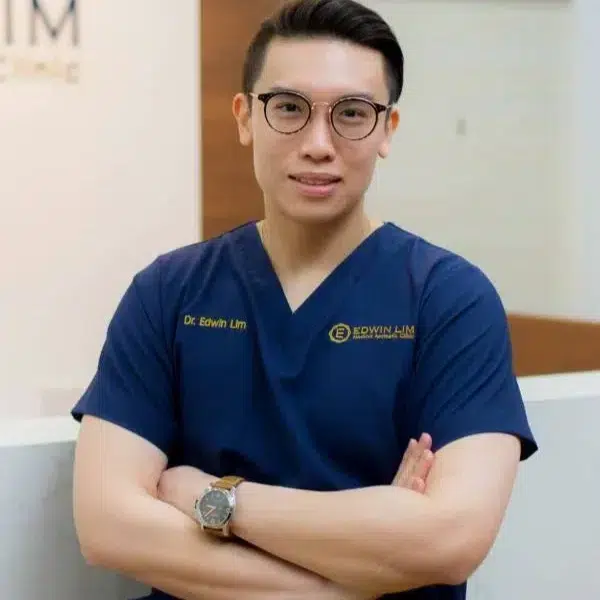
Dr Edwin often recommends combining PN scar injection with subcision for optimal results. Subcision is a minor surgical technique that uses a fine needle to break up the fibrous scar tissue beneath the skin, releasing the tethered scars and promoting new collagen formation.
Immediately following subcision, concentrated polynucleotide (PN) injections are administered into the scarred areas. These purified polynucleotides help stimulate further collagen production and accelerate the skin’s natural repair processes.
The number of injection points and the need for subcision are determined by the pattern and depth of your scars, ensuring that each session is tailored to your unique needs.
A typical PN scar injection session, with or without subcision, takes approximately 20 to 40 minutes depending on the treatment area. Most patients achieve the best outcomes with a series of 3 to 5 sessions, each spaced about 3 to 4 weeks apart.
Maintenance treatments may be recommended for sustained improvement in skin texture and scar reduction.
PN scar injection therapy is generally well tolerated due to the use of topical anaesthesia. If additional pain relief is needed, nerve blocks can be safely administered to ensure the procedure is as comfortable as possible.
Patients may feel brief sensations of pressure or pinching during both subcision and the injections, but these are typically mild and short-lived. After the procedure, it is common to experience temporary redness, swelling, or small bumps at the injection sites, which usually subside within a few days.
If you have specific concerns about pain management, subcision, or the number of sessions needed, your doctor will provide a personalised plan tailored to your skin’s condition and treatment goals.
PN scar injection therapy is one of several effective options for acne scar management in Singapore. Patients often ask how polynucleotide scar injections compare to other treatments such as laser therapy, subcision alone, microneedling, or traditional fillers.
Understanding the differences, as well as the advantages of combination approaches, can help you make an informed decision about your acne scar treatment plan.
Laser treatments, such as fractional CO₂ lasers work by resurfacing the skin and stimulating collagen through controlled thermal injury. These treatments are effective for many types of acne scars but often require longer downtime and carry a higher risk of post-inflammatory hyperpigmentation, especially for Asian skin.
In contrast, PN scar injection therapy targets scar tissue from within by delivering polynucleotides directly into the dermis, stimulating collagen production and cellular repair with minimal downtime. PN injections are suitable for those who prefer a non-laser option or have concerns about skin sensitivity to laser treatments.
Subcision is particularly effective for tethered scars such as deep rolling or anchored boxcar scars. When combined with PN scar injections, the release of fibrous scar tissue through subcision is followed by the delivery of polynucleotides, which enhances collagen regeneration and promotes faster, more complete healing.
Dr Edwin frequently recommends a combined approach of subcision followed by PN scar injection for patients with deep or resistant atrophic scars. This combination addresses both the structural cause of the scar and supports new tissue formation, often resulting in greater overall improvement compared to a single treatment method alone.
Hyaluronic acid (HA) fillers can be used for acne scar treatment in Singapore, especially for atrophic scars that require immediate volume correction. While HA fillers can provide instant improvement in the appearance of depressed scars, their effects are temporary and typically last 6 to 12 months.
HA fillers work by physically filling the scarred area but do not actively stimulate collagen production or promote long-term skin repair. In contrast, PN scar injection therapy—also known as polynucleotide scar injection—takes a regenerative approach.
Instead of simply filling scars, polynucleotide injections work by stimulating collagen synthesis and supporting the body’s natural skin healing processes. Over a series of treatments, PN scar injections can lead to gradual, lasting improvements in scar depth, skin texture, and overall skin quality.
Patients seeking long-term acne scar improvement in Singapore often prefer polynucleotide scar injections because of their dual benefits: collagen regeneration and natural tissue repair. For those looking to address the root cause of atrophic scars rather than just temporarily masking them, PN scar injections may be a more suitable choice.
In many cases, the best results are achieved by combining therapies. PN scar injections can be used alongside subcision, microneedling, or laser treatments, depending on your skin type and scar characteristics. Your doctor will advise on the most suitable combination and sequence to maximise your results and reduce risks.
If you are considering acne scar treatment in Singapore, a personalised consultation can help determine whether PN scar injections, subcision, laser, or a combination approach is most appropriate for your skin.
PN scar injection therapy, also known as polynucleotide scar injection, is generally well tolerated and associated with minimal downtime. Understanding what to expect after treatment can help you plan for a smooth recovery and achieve optimal results from your acne scar treatment in Singapore.
Most patients experience mild and temporary side effects following PN scar injection therapy. These may include:
These effects are generally mild and subside on their own. Applying a cold compress and following your doctor’s aftercare instructions can help speed up recovery.
After PN scar injection therapy, it is recommended to avoid vigorous exercise, hot baths, and direct sun exposure for the first 24 to 48 hours. Use a gentle cleanser and avoid harsh skincare products or exfoliants until any redness or swelling has resolved.
Most patients are able to resume normal daily activities almost immediately, making this a convenient option for acne scar treatment with minimal disruption.
If subcision is performed together with PN scar injection, mild soreness or bruising may last slightly longer, but these side effects are still temporary and manageable with simple aftercare measures.
Although side effects are rare and typically mild, contact your clinic promptly if you notice persistent swelling, increasing redness, signs of infection, or any symptoms that cause concern after your PN scar injection session.
Selecting the right clinic for PN scar injection therapy plays a key role in achieving safe, effective results for acne scar treatment in Singapore. At Edwin Lim Medical Aesthetic Clinic, we focus on personalised care and individualised treatment plans using polynucleotide (PN) scar injections supported by clinical studies.
Dr Edwin Lim has significant experience in managing atrophic acne scars—including boxcar, rolling, and ice pick scars—through PN scar injection therapy. Every patient receives a detailed assessment to ensure that the treatment approach is tailored to their unique scar pattern and skin type. For more complex cases, Dr Edwin may combine PN scar injections with procedures such as subcision to further enhance results.
Our clinic adheres to established protocols and employs evidence-based injection techniques to maximise safety and comfort. Patients are guided through each step of the process with clear communication, education, and close follow-up.
If you are seeking a trusted clinic in Singapore for PN scar injection or polynucleotide scar treatment, consider scheduling a consultation with Dr Edwin Lim. We are committed to helping patients achieve clearer skin through professional acne scar management.
What Is PN Scar Injection Therapy and How Is It Used for Acne Scars?
PN scar injection therapy refers to the use of polynucleotide-based injectables, most notably Rejuran Scar (also known as Rejuran S), for the treatment of atrophic acne scars. Rejuran Scar is a concentrated polynucleotide formulation specifically designed for direct injection into depressed acne scars. This therapy is widely performed in Singapore to improve boxcar, rolling, and ice pick scars by stimulating collagen production and skin repair.
How Does Polynucleotide Scar Injection Improve Acne Scars?
Polynucleotide scar injections, particularly with Rejuran Scar (Rejuran S), work by delivering highly purified polynucleotides directly into scarred skin. The active components in Rejuran S promote collagen regeneration and enhance the skin’s natural healing, gradually improving the depth and texture of acne scars. Rejuran Scar is recognized in Singapore for its ability to address scars that have not responded to other treatments.
What Types of Acne Scars Can Be Treated With PN Scar Injection?
PN scar injection therapy, with Rejuran Scar as the main injectable, is effective for atrophic acne scars, including boxcar scars, rolling scars, and ice pick scars. Rejuran S is frequently chosen by doctors in Singapore for patients who need targeted scar remodeling after acne.
How Many Sessions of Polynucleotide Scar Injection Are Needed for Results?
Most patients in Singapore require 3 to 5 sessions of Rejuran Scar (Rejuran S) injections, spaced about 3 to 4 weeks apart. Gradual improvements are usually seen after each session, as collagen production increases with each Rejuran S treatment.
Can PN Scar Injection Therapy Be Combined With Other Acne Scar Treatments?
Yes, PN scar injection therapy—especially with Rejuran Scar—is often combined with subcision, microneedling, or fractional lasers for enhanced results. Dr Edwin frequently performs subcision followed by Rejuran S injections, as this combination can break up tethered scar tissue and further stimulate collagen remodeling for more significant acne scar improvement.
What Is the Downtime After Polynucleotide Scar Injection?
Downtime after Rejuran Scar injection is 3 to 7 days. Most patients notice mild redness, swelling, or small bumps at the injection sites, which resolve within a few days. Because Rejuran S is a minimally invasive treatment, most people can return to work and daily activities shortly after the procedure.
Who Is Not Suitable for PN Scar Injection Therapy?
PN scar injection therapy, including Rejuran Scar (Rejuran S), should be avoided in individuals with active skin infections, open wounds, or known allergies to the ingredients in the injection. Pregnant or breastfeeding women should consult their doctor before starting Rejuran S treatment.
What Is the Cost of Polynucleotide Scar Injection in Singapore?
The cost of PN scar injection therapy with Rejuran Scar starts from SGD 500 per session, depending on the extent of scarring and number of sessions required. An accurate quotation will be provided during your clinic consultation.
How Long Do the Results of Rejuran Scar Injections Last?
Results from Rejuran Scar (Rejuran S) injections are long-lasting, with many patients enjoying smoother skin and reduced scar depth for months after treatment. Maintenance sessions of Rejuran S may be recommended for sustained benefits, as collagen continues to remodel over time.
How Soon Can I See Results From Rejuran Scar Treatment?
Patients typically see visible improvement in their acne scars several weeks after their first session of Rejuran Scar injection. Best results are generally achieved after completing the recommended series of Rejuran S treatments, as collagen stimulation is a gradual process.
Is Polynucleotide Scar Injection Safe for All Skin Types?
Rejuran Scar (Rejuran S) is suitable for a wide range of skin types, including Asian skin, which is common in Singapore. Your doctor will assess your individual suitability during your consultation to ensure that Rejuran S is the right option for your acne scar treatment.
Can PN Scar Injection Therapy Be Used for Other Types of Scars?
While PN scar injection therapy is most commonly used for atrophic acne scars, Rejuran Scar may also be considered for other types of depressed or indented scars. Your doctor will advise you during your personalised assessment if Rejuran S is suitable for your scar type.
Is PN Scar Injection Therapy the Same as Other Polynucleotide Skinboosters?
Scar injection therapy for acne scars uses a concentrated polynucleotide formulation specifically designed for direct scar remodeling. Rejuran Scar (Rejuran S) is the polynucleotide injectable indicated for acne scar correction, while other polynucleotide skinboosters—such as Rejuran Healer—are formulated for general skin rejuvenation and not for deep scar improvement.
Can PN Scar Injections Be Combined With Other Injectable Treatments?
Polynucleotide scar injection can be combined with other injectable treatments, such as hyaluronic acid fillers, when additional volume correction is needed. Rejuran Scar (Rejuran S) may be administered in conjunction with fillers or other therapies depending on your individual scar type and skin goals.
What Is the Main Ingredient in Polynucleotide Scar Injections?
The main active ingredient in polynucleotide scar injections is highly purified polynucleotide, a DNA-based biopolymer derived from salmon DNA. Rejuran Scar (Rejuran S) uses this concentrated polynucleotide to stimulate collagen production and promote scar tissue remodeling.
Is Any Special Aftercare Needed Following Polynucleotide Scar Injection?
After receiving a polynucleotide scar injection, it is recommended to avoid strenuous exercise, hot environments, and direct sun exposure for 24–48 hours. Rejuran Scar (Rejuran S) injections require only simple aftercare, such as gentle skincare and sun protection, to support optimal healing.
How Does Polynucleotide Scar Injection Compare to Other Collagen-Stimulating Treatments?
Polynucleotide scar injection, as performed with Rejuran Scar (Rejuran S), is specifically formulated and concentrated for the direct treatment of atrophic acne scars. Rejuran Scar is injected directly into individual scars to stimulate collagen remodeling and improve scar depth and texture.
Other collagen-stimulating injectables include poly-L-lactic acid (PLLA) injectables, such as Sculptra, which are primarily used for overall facial volumization, anti-aging, and general skin quality improvement rather than targeted scar correction. Sculptra is usually recommended for patients seeking broader rejuvenation rather than those focused solely on acne scar treatment.
Juvelook is used in Singapore for scar remodeling and skin texture improvement. However, Rejuran Scar (Rejuran S) is a more concentrated polynucleotide formulation, making it especially effective for deep or stubborn acne scars compared to hybrid products like Juvelook, which is often selected for anti aging and general skin texture enhancement.
Profhilo, another popular injectable, is designed primarily as a skin hydration booster. It contains a high concentration of hyaluronic acid and is mainly used to improve skin hydration, elasticity, and radiance, rather than to remodel acne scars.
In summary, Rejuran Scar (Rejuran S) is often chosen in Singapore for patients specifically seeking a concentrated, targeted injectable for acne scar correction, whereas Sculptra is more suitable for overall skin quality and anti-aging, Juvelook is used for hybrid rejuvenation and Profhilo is best for deep hydration and skin elasticity.

Copyrights 2026 by Edwin Lim Medical Aesthetic Clinic Pte. Ltd.


