
Dr Edwin Lim | MBBS, MRCS, PgDip, MSc, AAAM | Aesthetic Doctor
Subcision is a minimally invasive procedure used to treat depressed acne scars, particularly rolling scars and certain tethered boxcar scars. The treatment works by inserting a needle or cannula beneath the skin to release the fibrous bands that pull scars downward. By freeing these attachments, the skin can gradually lift and smooth out as healing and collagen remodeling occur over time.
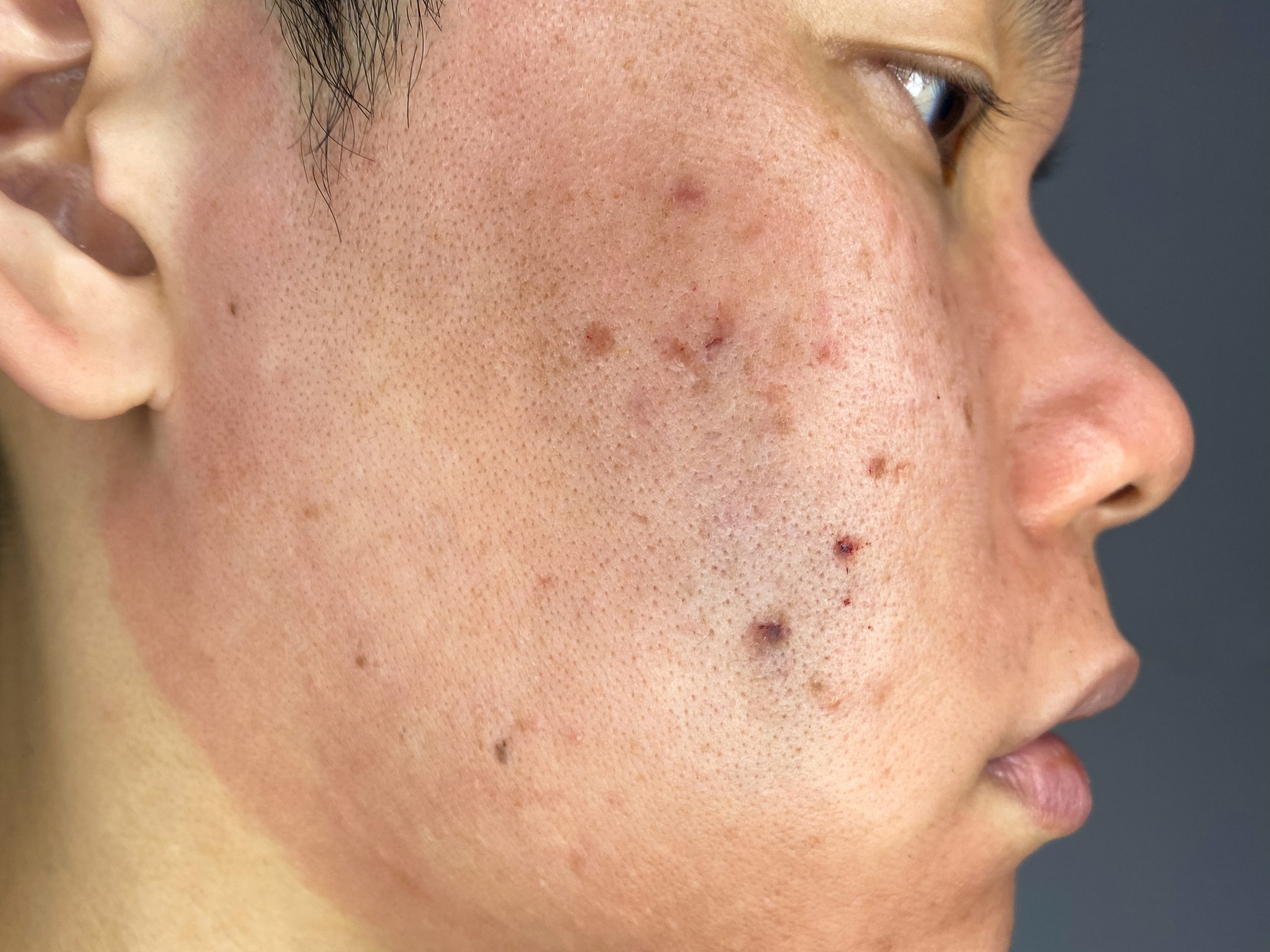
Depressed acne scars develop when inflammatory acne destroys collagen in the deeper layers of the skin. During healing, abnormal scar tissue forms and attaches the skin to underlying structures.
This creates:
The fibrotic bands act like internal anchors, pulling the skin downward and preventing it from returning to a smooth surface.
Subcision acne scar treatment involves inserting a specialised needle or blunt cannula beneath the scar. The instrument is carefully moved in a controlled motion to break the fibrotic strands tethering the scar.
Once released:
This mechanical correction addresses the root cause of rolling and tethered acne scars.
In addition to releasing scar tethering, subcision stimulates the body’s natural wound healing response. The controlled micro-injury triggers:
Over several weeks, newly formed collagen fills in the treated area, further improving acne scar depth and skin texture.
This dual mechanism — mechanical release plus collagen stimulation — is why subcision acne scar treatment in Singapore is considered a foundational treatment for structurally depressed scars.
Laser treatments primarily improve skin texture and stimulate collagen from the surface. However, if fibrotic tethering remains intact, the scar may continue to appear depressed despite multiple laser sessions.
Subcision works at a deeper structural level by correcting the anchoring beneath the scar. For many patients with rolling or tethered acne scars, subcision is necessary before collagen-stimulating or

Subcision acne scar treatment works by correcting the structural tethering beneath depressed scars while simultaneously stimulating collagen regeneration. This dual-action mechanism allows both immediate lifting of scars and gradual long-term skin remodelling.
Depressed and rolling acne scars often form when fibrotic scar bands anchor the skin to deeper tissue layers. These fibrous attachments prevent the skin from returning to a smooth surface, resulting in visible depressions.
During subcision, a specialised needle or blunt cannula is inserted beneath the scar and moved in a controlled motion to break these fibrotic strands. As the tethering is released:
This mechanical release directly addresses the root structural cause of tethered acne scars.
The subcision process creates a controlled micro-injury beneath the scar. This stimulates the body’s natural wound-healing cascade, which is essential for long-term scar improvement.
Following subcision:
This biological response helps rebuild the dermal support beneath the scar.
Over the following weeks, newly formed collagen gradually fills the space beneath the released scar. This leads to:
Unlike temporary fillers, this collagen r
Subcision produces two phases of improvement:
Immediate improvement
Gradual improvement
Multiple sessions may be required for deeper or long-standing tethered scars to achieve optimal improvement.
If fibrotic tethering is not released, collagen-stimulating or resurfacing treatments alone may not fully improve depressed scars. The anchoring beneath the scar continues to pull the skin downward, limiting results.
Subcision addresses this structural problem first, allowing subsequent treatments such as collagen-stimulating injectables or laser therapies to work more effectively. This is why subcision acne scar treatment i
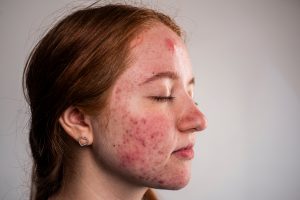
Subcision acne scar treatment is most effective for scars caused by dermal tethering. Identifying the correct scar type is important, as not all acne scars respond equally to subcision. The procedure works best when fibrotic bands beneath the skin are responsible for pulling the scar downward.
Rolling acne scars are the most responsive to subcision treatment. These scars appear as broad, shallow depressions with smooth sloping edges and are commonly caused by fibrotic tethering beneath the skin.
Subcision directly releases these tethering bands, allowing the skin to lift. Most patients with rolling acne scars experience significant improvement after subcision, especially when collagen regeneration occurs during the healing process.
Boxcar scars have more defined edges and a wider base compared to rolling scars. When boxcar scars are deeply anchored by fibrotic attachments, subcision can help release the tethering and reduce the depth of the scar.
However, shallow boxcar scars without significant tethering may respond better to resurfacing or collagen-stimulating treatments rather than subcision alone.
Many patients have a combination of rolling, boxcar and other atrophic scars. In these cases, subcision is selectively performed on scars that demonstrate dermal tethering, while other treatments may be used to address different scar components.
This targeted approach allows comprehensive improvement in overall skin texture and scar appearance.
Icepick scars are narrow, deep and vertically oriented scars that extend into the dermis. Because these scars are usually not caused by tethering, subcision alone is less effective.
Additional targeted treatments are often required for optimal improvement of icepick scars.
Older and deeper acne scars tend to have stronger fibrotic attachments beneath the skin. These scars often require multiple subcision sessions to fully release tethering and stimulate sufficient collagen remodelling.
Despite being more challenging, meaningful improvement can still be achieved with staged treatment.
A clinical assessment is necessary to determine whether acne scars are tethered and suitable for subcision. Treating the correct scar type ensures:
Subcision acne scar treatment in Singapore is most effe

While subcision releases fibrotic tethering and lifts depressed acne scars, rebuilding the dermal structure beneath the skin is important for sustained scar improvement. Collagen-stimulating treatments help restore skin thickness, improve dermal support and enhance long-term outcomes after subcision.
For many patients with moderate to severe acne scars, combination therapy provides more comprehensive and durable improvement compared to subcision alone.
After fibrotic tethering is released, a small space forms beneath the scar. Without adequate collagen regeneration, the skin may not maintain its lifted position over time.
Collagen-stimulating treatments support:
This strengthens and maintains the lifting achieved by subcision.
Subcision is commonly combined with Rejuran Scar, a polynucleotide-based injectable treatment used for acne scar repair. Polynucleotides (PN) help stimulate fibroblast activity, promote tissue regeneration and support collagen remodelling within the dermis.
Rejuran Scar works by:
More information about this treatment can be found here:
https://botoxsingapore.sg/rejuran-s-acne-scar-treatment-singapore/
When subcision is combined with Rejuran Scar and polynucleotide-based regenerative therapy:
This combination targets both the structural and biological causes of acne scars.
Subcision combined with Rejuran Scar may be recommended for:
Treatment is individualised based on scar severity, scar type and skin condition.
Subcision acne scar treatment in Singapore is often used as a foundational step in managing structurally depressed scars. When combined with Rejuran Scar and polynucleotide-based collagen stimulation, it helps achieve more complete dermal repair and longer-lasting improvement in acne scar appearance.
A personalised treatment approach allows targeted corr
The number of subcision sessions required depends on the severity of acne scars, the degree of dermal tethering, and the skin’s response to collagen regeneration. While some patients see improvement after a single treatment, deeper or long-standing scars often require multiple sessions for optimal results.
Subcision works progressively, with each session further releasing tethered scars and stimulating additional collagen remodelling.
The recommended number of sessions varies depending on scar depth and structural tethering.
A personalised assessment helps determine the appropriate treatment plan.
Deeper acne scars often have stronger fibrotic attachments beneath the skin. Releasing these tethered bands completely may require more than one session. In addition, collagen regeneration occurs gradually, and repeated stimulation helps improve dermal thickness and scar support over time.
Multiple sessions allow:
Subcision sessions are usually spaced several weeks apart to allow adequate healing and collagen remodelling.
During this interval:
Spacing treatments appropriately helps optimise scar improvement while minimising risk.
Combining subcision with collagen-stimulating treatments such as Rejuran Scar and polynucleotide-based regenerative therapy may enhance dermal repair and support collagen regeneration. In some cases, this may improve overall scar response and reduce the number of sessions required to achieve meaningful improvement.
Initial lifting from mechanical release may be seen shortly after treatment. However, most improvement develops gradually over several weeks as collagen remodelling occurs beneath the skin.
Full assessment of scar improvement is usually performed after sufficient healing and dermal regeneration have taken place.
Subcision acne scar treatment is a minimally invasive in-clinic procedure performed under local anaesthesia. The goal is to release fibrotic tethering beneath depressed acne scars while stimulating collagen regeneration for gradual skin remodelling.
The procedure is carefully performed to target structurally tethered scars while minimising trauma to surrounding tissue.
Before the procedure, the skin is cleansed and disinfected to maintain sterility. Local anaesthetic is administered to ensure comfort during treatment. Once the area is numbed, the doctor identifies tethered acne scars that require release.
Proper preparation helps minimise discomfort and ensures accurate targeting of scar tethering.
A specialised needle or blunt cannula is inserted beneath the scar through a small entry point in the skin. The instrument is gently moved in a controlled motion to break fibrotic strands anchoring the scar to deeper tissue.
During the procedure:
This controlled release allows the skin to elevate and improves scar contour.
The procedure typically takes 15 to 30 minutes depending on the number and severity of scars treated. More extensive or deeper scars may require slightly longer treatment time.
Subcision is usually performed as an outpatient procedure, and patients can return home shortly after treatment.
Because local anaesthesia is used, most patients experience minimal discomfort. Some pressure or movement may be felt beneath the skin as the fibrotic bands are released.
The procedure is generally well tolerated and does not require general anaesthesia.
Recovery after subcision acne scar treatment is generally well tolerated. Most side effects are temporary and part of the normal healing process that supports collagen regeneration and scar improvement. The degree of downtime varies depending on the extent of subcision performed and individual healing response.
After subcision treatment, it is normal to experience mild to moderate temporary effects as the skin heals and collagen remodelling begins.
Common effects include:
These effects are expected and usually improve progressively over time.
Bruising and swelling are typically most noticeable within the first few days after treatment and gradually improve over time.
Healing time varies depending on the depth of scars treated and individual skin response.
Subcision stimulates a controlled wound-healing response beneath the skin. During the healing phase:
Most visible improvement develops gradually over several weeks to months.
Most patients are able to resume normal daily activities shortly after subcision treatment. However, depending on the extent of bruising or swelling, some patients may prefer to allow a few days for recovery before social activities.
Light activities can usually be resumed quickly, while avoiding excessive pressure or trauma to treated areas during the early healing phase.
Recovery time and response to treatment may vary depending on:
Proper healing supports optimal scar improvement and long-term dermal remodelling.
Subcision acne scar treatment is a well-established and generally safe procedure when performed using proper technique and sterile precautions. Most side effects are temporary and related to the normal healing process following release of fibrotic tethering and collagen stimulation.
Understanding potential risks helps patients make informed decisions and ensures appropriate treatment planning.
Temporary effects after subcision are common and usually resolve as healing progresses.
These may include:
These effects are part of the normal healing response and typically improve over time.
Although uncommon, the following risks may occur:
These risks are minimised with proper technique, sterile conditions and appropriate aftercare.
Post-inflammatory pigmentation is less common with subcision compared to surface-based laser treatments because subcision works beneath the skin rather than causing superficial thermal injury. However, it may still occur in some individuals and usually improves gradually over time.
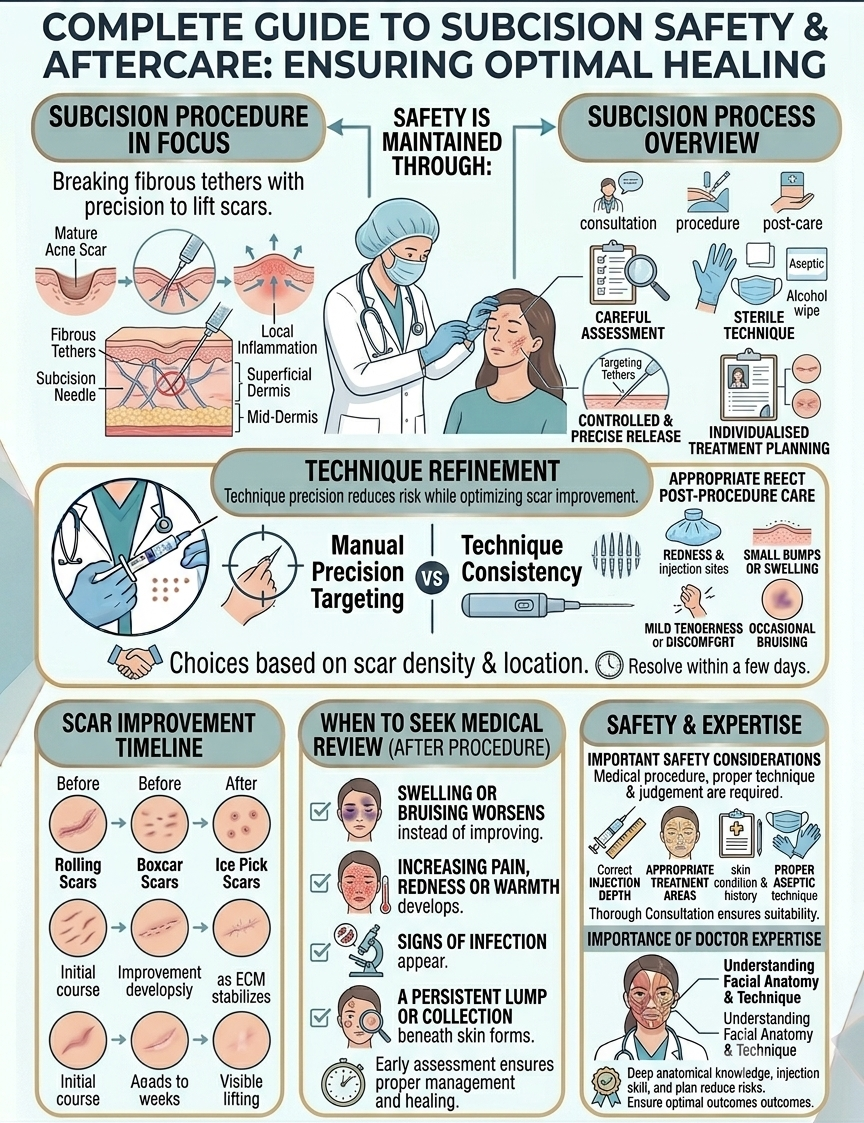
Subcision acne scar treatment is most suitable for individuals with depressed, rolling or tethered acne scars caused by fibrotic bands beneath the skin. Proper patient selection is important to ensure effective scar improvement and optimal treatment outcomes.
A clinical assessment is required to determine whether acne scars are structurally tethered and suitable for subcision.
Subcision may be recommended for patients who have:
Subcision works best when the underlying cause of the scar is fibrotic tethering rather than superficial skin damage.
Subcision may not be recommended in certain situations, including:
Treatment suitability should be assessed individually.
A proper scar assessment helps determine:
Targeted treatment planning improves scar response and overall skin texture.
Subcision acne scar treatment can be performed on most skin types, including Asian skin. Because the procedure works beneath the skin rather than causing surface thermal injury, the risk of post-inflammatory pigmentation is generally lower compared to some resurfacing treatments.
Every patient’s acne scar pattern is different. A personalised approach allows the doctor to identify tethered scars, determine appropriate treatment depth and decide whether combination therapy may provide better dermal repair and scar improvement.
Subcision acne scar treatment in Singapore is most effective when tailored to the individual’s scar type, skin condition and collagen response.
Does Subcision Permanently Remove Acne Scars
Subcision improves acne scars by releasing fibrotic tethering and stimulating collagen regeneration beneath the skin. While acne scars may not disappear completely, significant and long-lasting improvement in scar depth and skin texture is commonly achieved. Results continue to improve over time as collagen remodelling occurs.
Is Subcision Painful
Subcision is performed under local anaesthesia, and most patients experience minimal discomfort during the procedure. Some pressure or movement may be felt as the fibrotic bands are released, but the treatment is generally well tolerated.
How Long Does It Take To See Results After Subcision
Some improvement may be seen shortly after treatment due to mechanical release of tethered scars. However, most visible improvement develops gradually over several weeks to months as collagen regeneration and dermal remodelling occur beneath the skin.
How Many Subcision Sessions Are Usually Needed
The number of sessions depends on scar severity and depth of tethering. Mild scars may improve after one session, while deeper or long-standing scars often require multiple treatments spaced over time for optimal improvement.
Can Subcision Be Combined With Other Acne Scar Treatments
Yes. Subcision is commonly combined with collagen-stimulating treatments such as Rejuran Scar and polynucleotide-based regenerative therapy to enhance dermal repair and improve long-term scar outcomes. Combination therapy targets both structural tethering and collagen loss for more comprehensive scar improvement.
Is Subcision Safe For Asian Skin
Subcision can be safely performed on most skin types, including Asian skin. Because the treatment works beneath the skin rather than causing surface thermal injury, the risk of post-inflammatory pigmentation is generally lower compared to some resurfacing treatments.
What Is The Downtime After Subcision Acne Scar Treatment
Most patients experience temporary swelling, bruising and mild tenderness after treatment. Bruising usually improves within about 5 to 7 days. Normal activities can typically be resumed shortly after the procedure.
Can Acne Scars Return After Subcision
Once fibrotic tethering is released and collagen regeneration occurs, improvement is usually long-lasting. However, deeper scars may require more than one session, and ongoing collagen remodelling contributes to sustained scar improvement.
Who Is A Good Candidate For Subcision Acne Scar Treatment
Subcision is most suitable for patients with depressed, rolling or tethered acne scars caused by fibrotic bands beneath the skin. A clinical assessment helps determine suitability and whether combination therapy may improve results.
Subcision acne scar treatment is most effective when tailored to the individual’s scar type, degree of tethering and collagen response. A personalised assessment allows accurate identification of rolling, depressed and tethered acne scars, and determines whether combination therapy such as Rejuran Scar and polynucleotide-based regenerative treatment may enhance scar improvement.
Early treatment of structurally tethered scars can help improve skin texture, reduce scar depth and support long-term dermal remodelling.
To find out whether subcision acne scar treatment is suitable for your skin condition, a consultation is recommended.
Book a consultation here:
https://botoxsingapore.sg/contact-us/

Copyrights 2026 by Edwin Lim Medical Aesthetic Clinic Pte. Ltd.


